Top 9 Benefits of Using a Driving Centre Management Platform for Smarter Operations
- Pedal Blog
- 24 SEP 2025
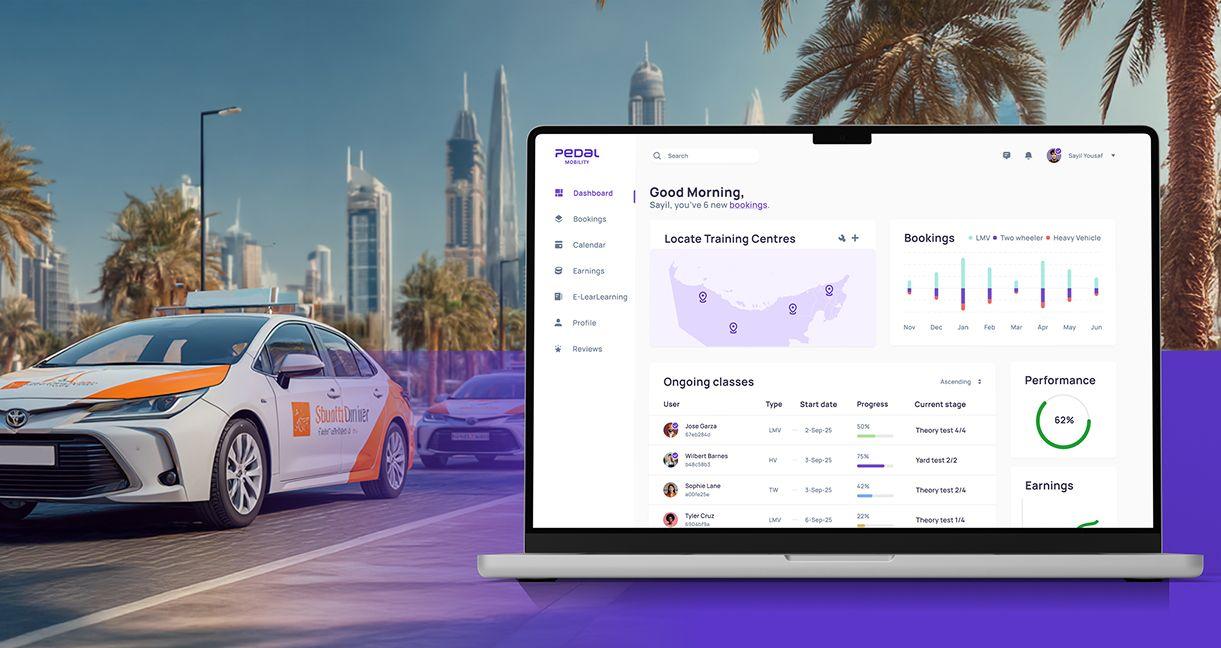
Managing a driving school has become far more complex than it once was. Beyond teaching students how to drive, today’s driving centres must handle strict compliance requirements, maintain extensive digital records, manage growing student volumes, and satisfy increasingly digital-first learners. In the UAE, where the Roads and Transport Authority (RTA) and similar regulators set strict standards, the stakes are even higher.
Manual scheduling on spreadsheets, stacks of paper files, and disconnected booking systems no longer work in this environment. They introduce costly errors, delay compliance checks, and frustrate both staff and students. This is where a driving centre management platform comes in.
A modern platform integrates scheduling, compliance, financial tracking, and performance analytics into one centralized system. It helps driving centres operate more efficiently while giving regulators and students the transparency they expect.
What Is a Driving Centre Management Platform?
A driving centre management platform is an all-in-one software solution designed to automate and centralize operations for driving schools. It acts as a single source of truth for everything from student onboarding and instructor scheduling to compliance reporting and financial management.
Unlike traditional tools, where schools juggle Excel sheets, paper-based forms, and fragmented software, a driving centre management platform unifies operations under one digital roof. It enables:
Student-friendly booking and tracking through apps and online portals.
Instructor and vehicle scheduling with real-time visibility.
Automated reporting for regulators such as the RTA.
Integrated financial management to handle payments and certifications.
Data-driven dashboards for managers and regulators alike.
Platforms offered by the Pedal Mobility Suite (DIMS, Soft, and Drive) are designed specifically for the UAE and GCC requirements, ensuring full compliance with local laws while delivering the transparency regulators demand.
Why Automation Matters for Driving Schools in the UAE
The UAE has positioned itself as a leader in digital transformation, with strong pushes toward paperless operations, cloud-based services, and regulator-ready automation. Driving schools are under pressure to match these expectations.
Automation enables schools to:
Stay compliant by generating audit-ready records on demand.
Reduce manual errors that can delay licensing approvals.
Offer better student experiences with instant bookings and progress tracking.
Scale efficiently across branches without duplicating effort.
For regulators, automated platforms provide transparent oversight, while schools benefit from smoother operations. Together, this creates a safer, smarter ecosystem for mobility training.
Benefits of Using a Driving Centre Management Platform
1. Centralized Operations Management
Instead of juggling spreadsheets, manual registers, and disconnected tools, a centralized driving centre management platform brings everything into one secure system. Administrators, instructors, and students all operate within the same ecosystem. This reduces duplication of work, improves data accuracy, and ensures that every stakeholder sees the same up-to-date information. For regulators, this means more consistent records and a higher degree of trust.
2. Automated Scheduling & Resource Allocation
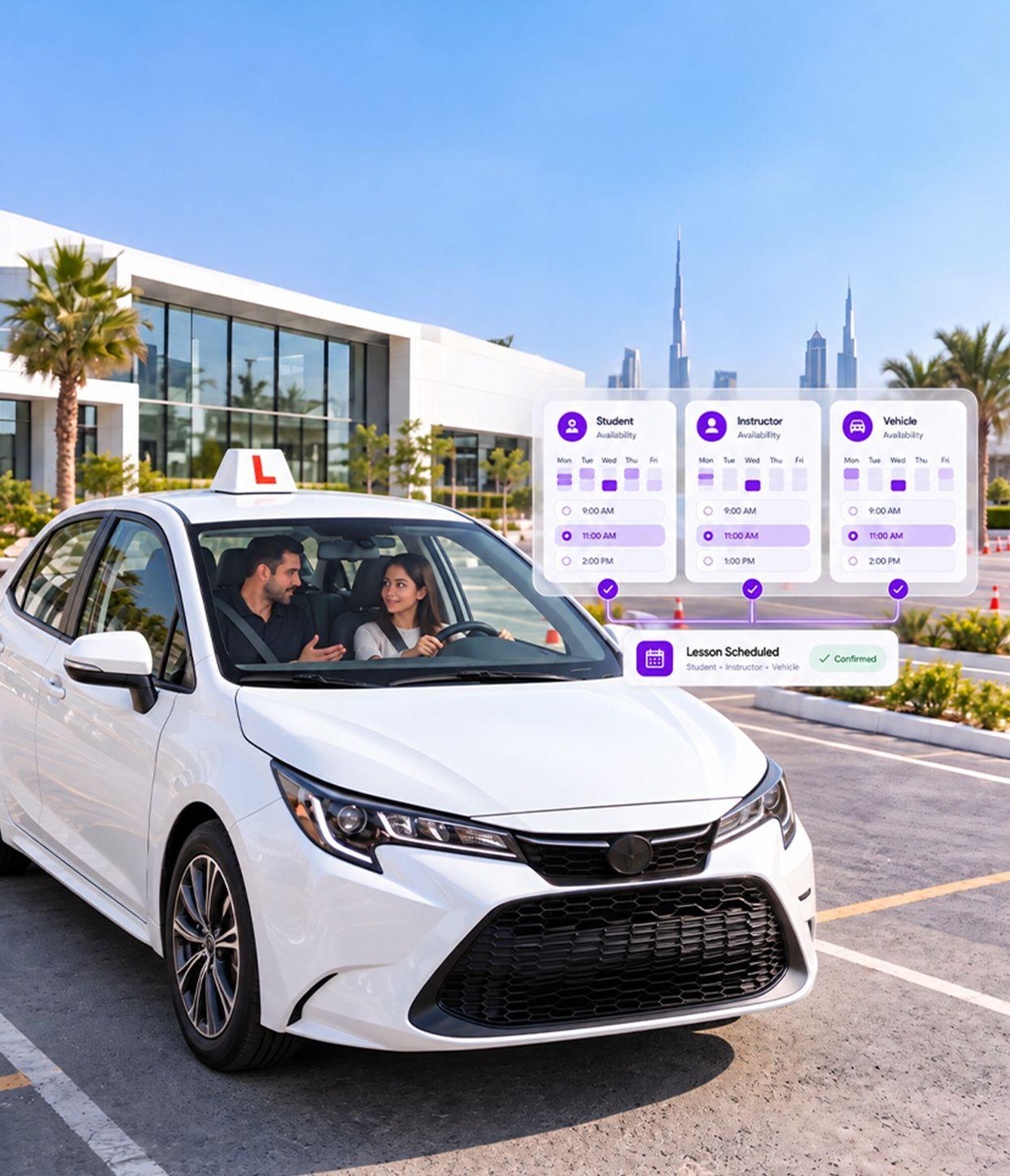
Smart scheduling algorithms replace manual booking systems prone to errors. The platform automatically matches students with the right instructor, vehicle, and training time, ensuring resources are used efficiently. By factoring in instructor qualifications, car availability, and training stages, schools can maximize teaching capacity, minimize idle time, and avoid costly reschedules. This automation improves both operational efficiency and student satisfaction.
3. Driving Instructor Booking System for Students
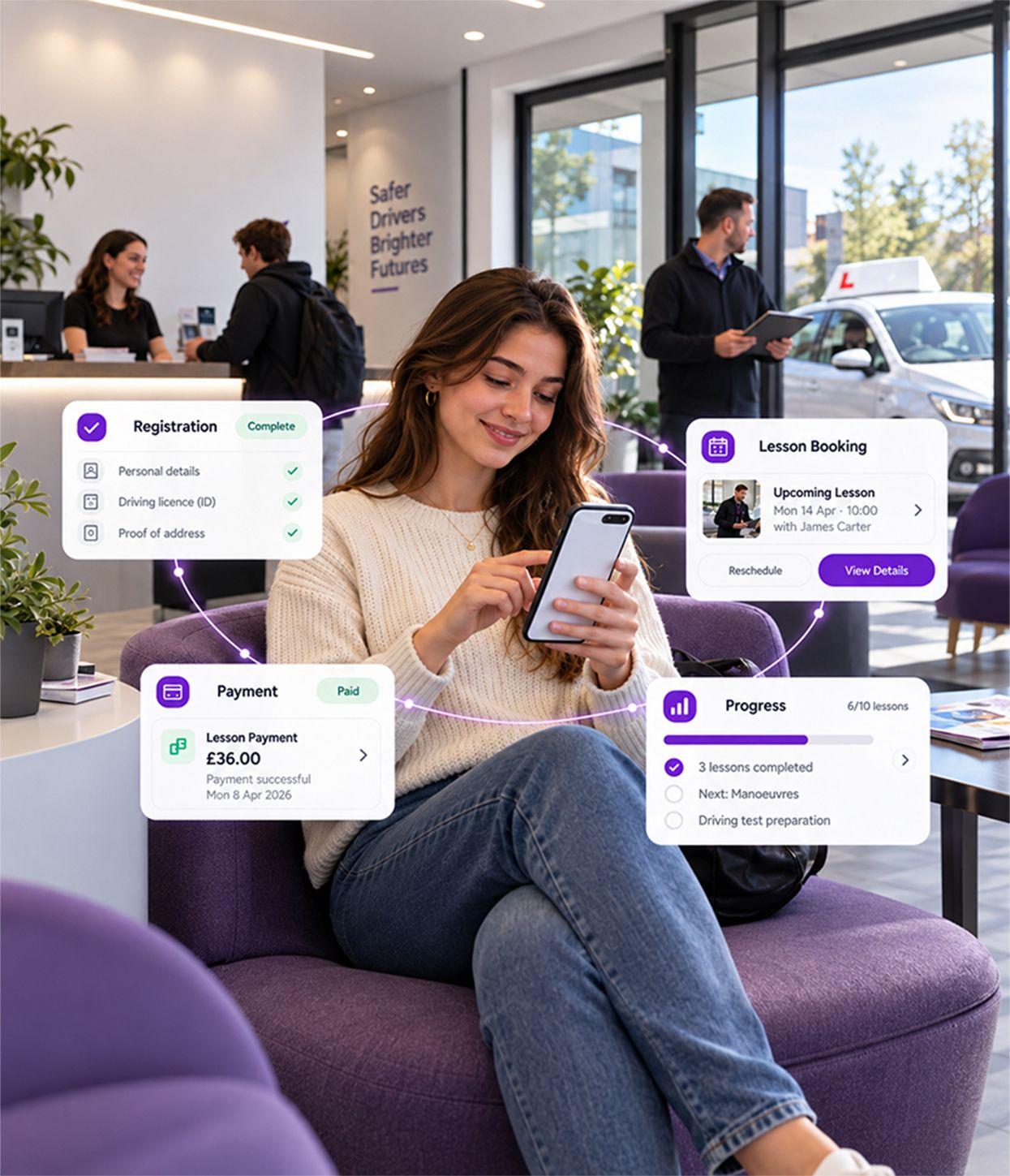
Today’s learners demand convenience. With a 24/7 online booking system, students can book or reschedule lessons anytime via mobile apps or web portals. This flexibility reduces no-shows, improves punctuality, and creates a smoother learning journey. In addition, instant booking confirmations and reminders reduce miscommunication between students and instructors.
4. Faster Test Approvals and Training Progress Tracking
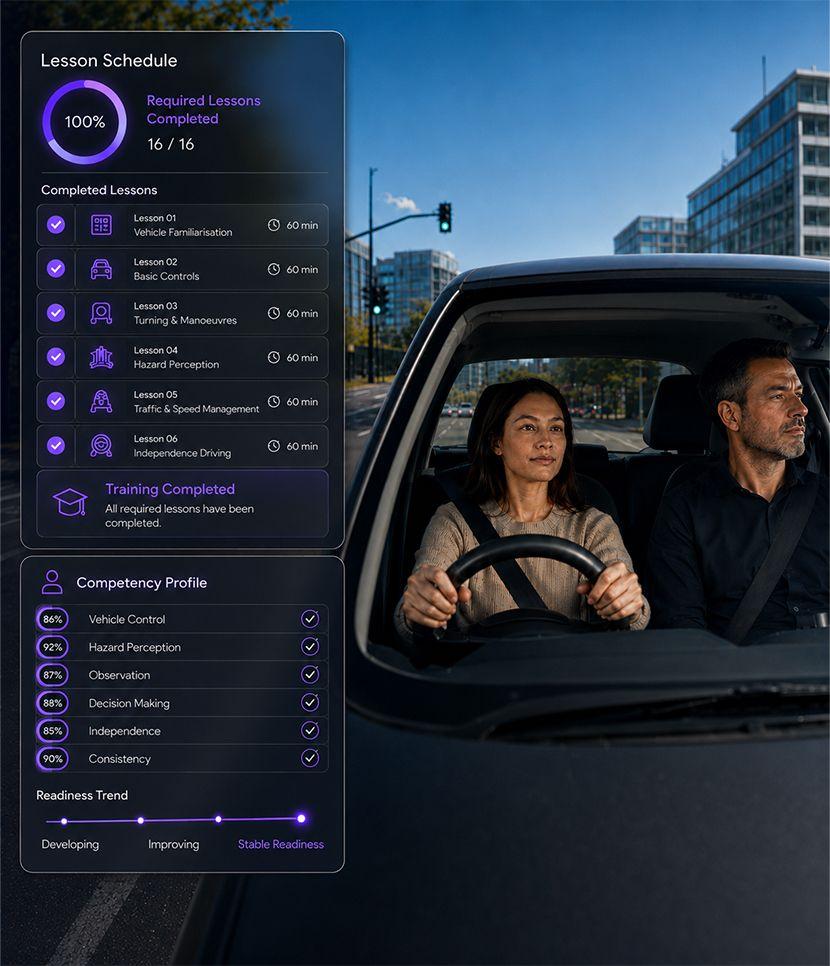
Driving centres often face delays in approving test requests due to incomplete records or manual processing. With digital progress tracking, students and instructors always know where they stand. Regulators also benefit from transparent, real-time records of training completion and readiness for testing. This means students can move faster toward their driving exams, improving pass rates and centre reputation.
5. Enhanced Compliance with RTA and Regulators
Compliance is not optional in the UAE. A management platform ensures built-in audit trails, digital documentation, and real-time reporting. By structuring data in RTA-approved formats, inspections and licensing renewals become faster and less stressful. Schools can proactively prepare for audits rather than scramble at the last minute, reducing compliance risk.
6. Online Payments & Financial Transparency
Manual payment tracking is slow and error-prone. By integrating secure payment gateways, schools can process payments instantly, whether online or in person. Automated invoicing, installment tracking, and digital receipts ensure financial accuracy. Students enjoy greater flexibility (e.g., partial payments, multiple options), while administrators save time reconciling accounts.
7. Real-Time Reporting & Analytics
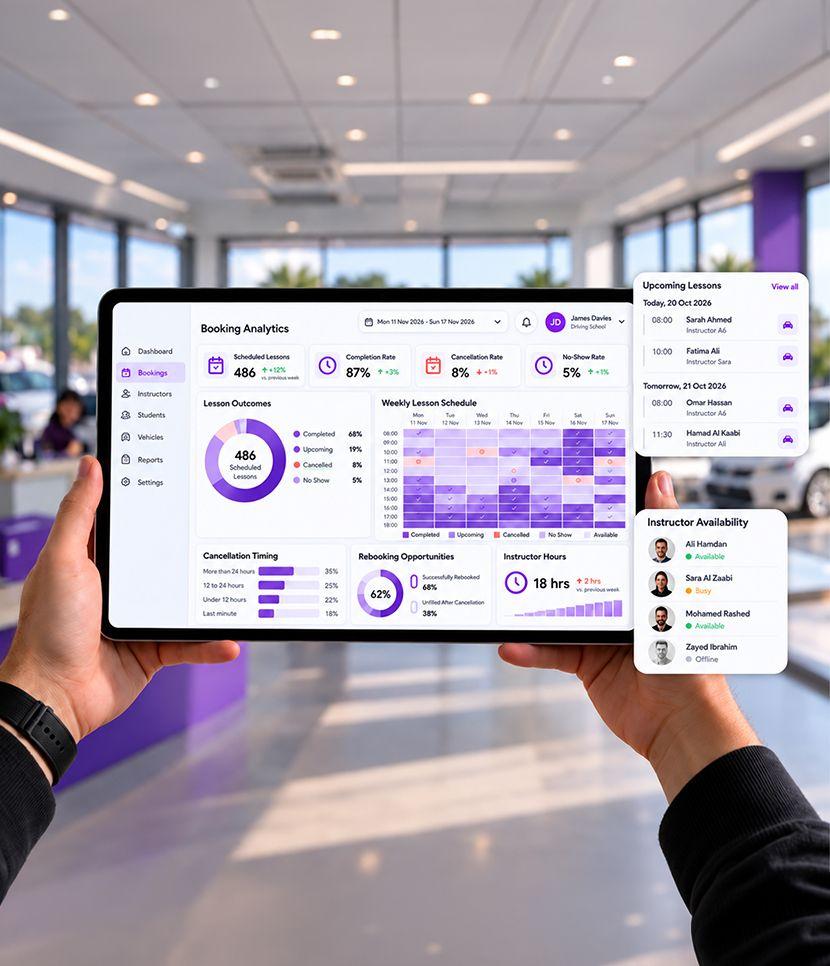
Data drives smarter decisions. With performance dashboards, school managers can monitor instructor utilization, pass/fail ratios, student attendance, and operational KPIs. Real-time insights allow managers to spot bottlenecks early, optimize resources, and improve long-term planning. This visibility ensures that no issue goes unnoticed until it becomes a problem.
8. Improved Student Engagement & Communication
Communication gaps often lead to missed lessons and frustrated learners. The platform solves this by offering push notifications, SMS/email reminders, and student apps. Students stay informed about lesson schedules, payments, and progress. Instructors receive real-time updates on changes, and administrators can shift focus from repetitive follow-ups to strategic growth initiatives.
9. Scalability for Growth & Multi-Branch Operations
As schools expand across cities or Emirates, keeping operations consistent becomes a challenge. A centralized platform ensures standardized workflows, unified dashboards, and branch-wise visibility. Owners and managers can track performance across all centres, while each branch still retains localized autonomy. This supports expansion without sacrificing efficiency or compliance.
How Driving School Automation Transforms Business Performance
Beyond individual benefits, automation transforms a driving school’s business model. It allows schools to:
Increase operational efficiency by 30–40% through workflow automation.
Improve student retention with mobile-first learning and booking systems.
Reduce compliance risks with real-time reporting.
Scale faster into new branches or Emirates without increasing admin costs.
For UAE driving schools, this translates into higher revenue, lower risk, and better student satisfaction, all while staying compliant with RTA mandates.
Best Practices for Adopting a Driving Centre Management Platform
Choose UAE-Compliant Solutions
Ensure the software is aligned with RTA standards and other GCC regulations. Generic systems may not provide audit-ready features. Choosing a localized, compliance-ready system reduces the risk of non-compliance during inspections. It also ensures smoother licensing renewals and faster government approvals.
Prioritize Student-Centric Features
Look for platforms that include mobile apps, real-time booking, and transparent progress tracking. Student-friendly tools directly improve satisfaction, retention, and timely course completion. They also create a competitive advantage in attracting new learners.
Train Staff for Adoption
Even the best software requires adoption. Training ensures administrators, instructors, and students use the platform effectively. Regular onboarding sessions and refresher courses help minimize errors and resistance to change. Empowered staff become champions of the system, boosting overall efficiency.
Plan for Scalability
Select a cloud-native system that can grow with your institution. This ensures you can expand to new branches or regions without workflow disruptions. Scalability also lowers future IT costs by avoiding the need for repeated platform changes.
Leverage Analytics for Strategy
Use performance dashboards to guide business expansion, improve training outcomes, and optimize instructor allocation. Data-driven insights help spot inefficiencies early and make smarter decisions. Schools that rely on analytics often see higher pass rates and more consistent revenue growth.
Key Takeaways
Centralization improves efficiency by consolidating all operations into one unified platform.
Automation reduces errors, saves time, and ensures schools remain continuously audit-ready.
Students benefit from flexibility, transparency, and digital convenience, improving course completion rates.
Regulators gain oversight, with access to real-time data and standardized reports.
Scalability is built in, allowing schools to expand across branches without workflow disruption.
Data security and compliance are embedded, with encryption and role-based access aligned to the UAE’s PDPL.
Analytics drive performance, offering KPIs and insights that support better decision-making and growth.
Mobile-first design enhances accessibility, with apps for students, instructors, and assessors.
Conclusion
Driving schools in the UAE are entering a new era of digital-first regulation and student expectations. Compliance is no longer just about passing audits; it’s about building transparent, efficient systems that deliver value to regulators, students, and administrators alike.
By adopting a driving centre management platform, schools can reduce admin burdens, stay RTA-compliant, and deliver a seamless student experience that drives success. Platforms like Pedal Mobility’s DIMS, Soft, and Drive show how centralized oversight, automation, and student-focused tools are shaping the future of mobility training.
Experience how Pedal Mobility can simplify your driving centre operations. Book a free demo today.
FAQs
Q: What is a driving centre management platform?
A: A driving centre management platform is a unified system that automates scheduling, compliance reporting, payments, and student tracking. By centralizing operations, the platform improves efficiency and reduces errors.
Q: What features should a driving instructor booking system have?
A: It should offer 24/7 booking, smart scheduling, and mobile notifications. Integration with compliance and payment systems ensures smooth operations.
Q: Do UAE driving schools need a compliance management system?
A: Yes, RTA and regulators require validated student progress data and audit-ready records. A compliance system ensures schools remain inspection-ready at all times.
Q: Is digital reporting mandatory for UAE driving centres?
A: While not always legally required, it reduces audit risks and accelerates government approvals. Many schools adopt it to ensure efficiency and transparency.
Q: Can students pay for driving lessons online in UAE?
A: Yes, modern platforms support secure, PCI-DSS-compliant online payment gateways. This allows flexible, convenient, and transparent financial transactions for students.
Q: How do UAE driving centres stay compliant with RTA rules?
A: UAE driving centres stay compliant by using digital platforms that track student hours, instructor qualifications, vehicle records, and certification logs in real time. Audit-ready reports and automated alerts ensure they meet RTA standards without delays or errors.
Q: Why should driving schools use a centralized management platform?
A: A centralized management platform reduces manual errors by unifying scheduling, payments, compliance, and student progress in one system. It improves efficiency, enhances transparency, and allows schools to scale operations while staying RTA-compliant.
You might also be interested

Transforming global driver training and licensing with AI-powered driver training software by connecting students, instructors, driving centres, and regulators in a seamless ecosystem.
Empowering all Stakeholders with Pedal Mobilitys Solutions.
Driving the Future With Results That Matter
Empowering students worldwide with innovative driver training software solutions tailored for modern learning.
Maximizing efficiency by smartly assigning vehicles and instructors, driven by our centralized driving school system.
Going fully digital with a paperless, user-friendly onboarding system powered by modern driving software.
Engaging students, instructors, and training admins every day through a connected, seamless, and intuitive driver training platform.
Introducing the New Era of AI in Personal Mobility
Pedal transforms driver education by integrating AI and automation into every step. Our centralized driving training software connects students, instructors, and regulators in a seamless, data-driven ecosystem built for modern mobility.
Insights and Stories shaping Driver Education
Maximizing efficiency by smartly assigning vehicles and instructors, driven by our centralized driving school system.
Going fully digital with a paperless, user-friendly onboarding system powered by modern driving software.
Engaging students, instructors, and training admins every day through a connected, seamless, and intuitive driver training platform.
Introducing the New Era of AI in Personal Mobility
Pedal transforms driver education by integrating AI and automation into every step. Our centralized driving training software connects students, instructors, and regulators in a seamless, data-driven ecosystem built for modern mobility.
Insights and Stories shaping Driver Education
Maximizing efficiency by smartly assigning vehicles and instructors, driven by our centralized driving school system.
Going fully digital with a paperless, user-friendly onboarding system powered by modern driving software.
Engaging students, instructors, and training admins every day through a connected, seamless, and intuitive driver training platform.
Introducing the New Era of AI in Personal Mobility
Pedal transforms driver education by integrating AI and automation into every step. Our centralized driving training software connects students, instructors, and regulators in a seamless, data-driven ecosystem built for modern mobility.
Insights and Stories shaping Driver Education
Maximizing efficiency by smartly assigning vehicles and instructors, driven by our centralized driving school system.
Going fully digital with a paperless, user-friendly onboarding system powered by modern driving software.
Engaging students, instructors, and training admins every day through a connected, seamless, and intuitive driver training platform.
Introducing the New Era of AI in Personal Mobility
Pedal transforms driver education by integrating AI and automation into every step. Our centralized driving training software connects students, instructors, and regulators in a seamless, data-driven ecosystem built for modern mobility.
Insights and Stories shaping Driver Education
Maximizing efficiency by smartly assigning vehicles and instructors, driven by our centralized driving school system.
Going fully digital with a paperless, user-friendly onboarding system powered by modern driving software.
Engaging students, instructors, and training admins every day through a connected, seamless, and intuitive driver training platform.
Introducing the New Era of AI in Personal Mobility
Pedal transforms driver education by integrating AI and automation into every step. Our centralized driving training software connects students, instructors, and regulators in a seamless, data-driven ecosystem built for modern mobility.
Insights and Stories shaping Driver Education
From instructor management to vehicle assignment, we are driving the future with results that matter.
Our platform connects students, instructors, and training admins every day through a connected, seamless, and intuitive driver training platform.
Introducing the New Era of AI in Personal Mobility
Transforming global driver training and licensing with AI-powered driver training software by connecting students, instructors, driving centres, and regulators in a seamless ecosystem.
Empowering all Stakeholders with Pedal Mobilitys Solutions.
Driving the Future With Results That Matter
Empowering students worldwide with innovative driver training software solutions tailored for modern learning.
Maximizing efficiency by smartly assigning vehicles and instructors, driven by our centralized driving school system.
Going fully digital with a paperless, user-friendly onboarding system powered by modern driving software.
Engaging students, instructors, and training admins every day through a connected, seamless, and intuitive driver training platform.
Introducing the New Era of AI in Personal Mobility
Pedal transforms driver education by integrating AI and automation into every step. Our centralized driving training software connects students, instructors, and regulators in a seamless, data-driven ecosystem built for modern mobility.
Insights and Stories shaping Driver Education
Maximizing efficiency by smartly assigning vehicles and instructors, driven by our centralized driving school system.
Going fully digital with a paperless, user-friendly onboarding system powered by modern driving software.
Engaging students, instructors, and training admins every day through a connected, seamless, and intuitive driver training platform.
Introducing the New Era of AI in Personal Mobility
Pedal transforms driver education by integrating AI and automation into every step. Our centralized driving training software connects students, instructors, and regulators in a seamless, data-driven ecosystem built for modern mobility.
Insights and Stories shaping Driver Education
Maximizing efficiency by smartly assigning vehicles and instructors, driven by our centralized driving school system.
Going fully digital with a paperless, user-friendly onboarding system powered by modern driving software.
Engaging students, instructors, and training admins every day through a connected, seamless, and intuitive driver training platform.
Introducing the New Era of AI in Personal Mobility
Pedal transforms driver education by integrating AI and automation into every step. Our centralized driving training software connects students, instructors, and regulators in a seamless, data-driven ecosystem built for modern mobility.
Insights and Stories shaping Driver Education
Maximizing efficiency by smartly assigning vehicles and instructors, driven by our centralized driving school system.
Going fully digital with a paperless, user-friendly onboarding system powered by modern driving software.
Engaging students, instructors, and training admins every day through a connected, seamless, and intuitive driver training platform.
Introducing the New Era of AI in Personal Mobility
Pedal transforms driver education by integrating AI and automation into every step. Our centralized driving training software connects students, instructors, and regulators in a seamless, data-driven ecosystem built for modern mobility.
Insights and Stories shaping Driver Education
Maximizing efficiency by smartly assigning vehicles and instructors, driven by our centralized driving school system.
Going fully digital with a paperless, user-friendly onboarding system powered by modern driving software.
Engaging students, instructors, and training admins every day through a connected, seamless, and intuitive driver training platform.
Introducing the New Era of AI in Personal Mobility
Pedal transforms driver education by integrating AI and automation into every step. Our centralized driving training software connects students, instructors, and regulators in a seamless, data-driven ecosystem built for modern mobility.
Insights and Stories shaping Driver Education
From instructor management to vehicle assignment, we are driving the future with results that matter.
Our platform connects students, instructors, and training admins every day through a connected, seamless, and intuitive driver training platform.
Introducing the New Era of AI in Personal Mobility Transforming global driver training and licensing with AI-powered driver training software by connecting students, instructors, driving centres, and regulators in a seamless ecosystem.
Empowering all Stakeholders with Pedal Mobilitys Solutions.
Driving the Future With Results That Matter
Empowering students worldwide with innovative driver training software solutions tailored for modern learning.
Maximizing efficiency by smartly assigning vehicles and instructors, driven by our centralized driving school system.
Going fully digital with a paperless, user-friendly onboarding system powered by modern driving software.
Engaging students, instructors, and training admins every day through a connected, seamless, and intuitive driver training platform.
Introducing the New Era of AI in Personal Mobility
Pedal transforms driver education by integrating AI and automation into every step. Our centralized driving training software connects students, instructors, and regulators in a seamless, data-driven ecosystem built for modern mobility.
Insights and Stories shaping Driver Education
Maximizing efficiency by smartly assigning vehicles and instructors, driven by our centralized driving school system.
Going fully digital with a paperless, user-friendly onboarding system powered by modern driving software.
Engaging students, instructors, and training admins every day through a connected, seamless, and intuitive driver training platform.
Introducing the New Era of AI in Personal Mobility
Pedal transforms driver education by integrating AI and automation into every step. Our centralized driving training software connects students, instructors, and regulators in a seamless, data-driven ecosystem built for modern mobility.
Insights and Stories shaping Driver Education
Maximizing efficiency by smartly assigning vehicles and instructors, driven by our centralized driving school system.
Going fully digital with a paperless, user-friendly onboarding system powered by modern driving software.
Engaging students, instructors, and training admins every day through a connected, seamless, and intuitive driver training platform.
Introducing the New Era of AI in Personal Mobility
Pedal transforms driver education by integrating AI and automation into every step. Our centralized driving training software connects students, instructors, and regulators in a seamless, data-driven ecosystem built for modern mobility.
Insights and Stories shaping Driver Education
Maximizing efficiency by smartly assigning vehicles and instructors, driven by our centralized driving school system.
Going fully digital with a paperless, user-friendly onboarding system powered by modern driving software.
Engaging students, instructors, and training admins every day through a connected, seamless, and intuitive driver training platform.
Introducing the New Era of AI in Personal Mobility
Pedal transforms driver education by integrating AI and automation into every step. Our centralized driving training software connects students, instructors, and regulators in a seamless, data-driven ecosystem built for modern mobility.
Insights and Stories shaping Driver Education
Maximizing efficiency by smartly assigning vehicles and instructors, driven by our centralized driving school system.
Going fully digital with a paperless, user-friendly onboarding system powered by modern driving software.
Engaging students, instructors, and training admins every day through a connected, seamless, and intuitive driver training platform.
Introducing the New Era of AI in Personal Mobility
Pedal transforms driver education by integrating AI and automation into every step. Our centralized driving training software connects students, instructors, and regulators in a seamless, data-driven ecosystem built for modern mobility.
Insights and Stories shaping Driver Education
From instructor management to vehicle assignment, we are driving the future with results that matter.
Our platform connects students, instructors, and training admins every day through a connected, seamless, and intuitive driver training platform.
Introducing the New Era of AI in Personal Mobility Transforming global driver training and licensing with AI-powered driver training software by connecting students, instructors, driving centres, and regulators in a seamless ecosystem.
Empowering all Stakeholders with Pedal Mobilitys Solutions.
Driving the Future With Results That Matter
Empowering students worldwide with innovative driver training software solutions tailored for modern learning.
Maximizing efficiency by smartly assigning vehicles and instructors, driven by our centralized driving school system.
Going fully digital with a paperless, user-friendly onboarding system powered by modern driving software.
Engaging students, instructors, and training admins every day through a connected, seamless, and intuitive driver training platform.
Introducing the New Era of AI in Personal Mobility
Pedal transforms driver education by integrating AI and automation into every step. Our centralized driving training software connects students, instructors, and regulators in a seamless, data-driven ecosystem built for modern mobility.
Insights and Stories shaping Driver Education
Maximizing efficiency by smartly assigning vehicles and instructors, driven by our centralized driving school system.
Going fully digital with a paperless, user-friendly onboarding system powered by modern driving software.
Engaging students, instructors, and training admins every day through a connected, seamless, and intuitive driver training platform.
Introducing the New Era of AI in Personal Mobility
Pedal transforms driver education by integrating AI and automation into every step. Our centralized driving training software connects students, instructors, and regulators in a seamless, data-driven ecosystem built for modern mobility.
Insights and Stories shaping Driver Education
Maximizing efficiency by smartly assigning vehicles and instructors, driven by our centralized driving school system.
Going fully digital with a paperless, user-friendly onboarding system powered by modern driving software.
Engaging students, instructors, and training admins every day through a connected, seamless, and intuitive driver training platform.
Introducing the New Era of AI in Personal Mobility
Pedal transforms driver education by integrating AI and automation into every step. Our centralized driving training software connects students, instructors, and regulators in a seamless, data-driven ecosystem built for modern mobility.
Insights and Stories shaping Driver Education
Maximizing efficiency by smartly assigning vehicles and instructors, driven by our centralized driving school system.
Going fully digital with a paperless, user-friendly onboarding system powered by modern driving software.
Engaging students, instructors, and training admins every day through a connected, seamless, and intuitive driver training platform.
Introducing the New Era of AI in Personal Mobility
Pedal transforms driver education by integrating AI and automation into every step. Our centralized driving training software connects students, instructors, and regulators in a seamless, data-driven ecosystem built for modern mobility.
Insights and Stories shaping Driver Education
Maximizing efficiency by smartly assigning vehicles and instructors, driven by our centralized driving school system.
Going fully digital with a paperless, user-friendly onboarding system powered by modern driving software.
Engaging students, instructors, and training admins every day through a connected, seamless, and intuitive driver training platform.
Introducing the New Era of AI in Personal Mobility
Pedal transforms driver education by integrating AI and automation into every step. Our centralized driving training software connects students, instructors, and regulators in a seamless, data-driven ecosystem built for modern mobility.
Insights and Stories shaping Driver Education
From instructor management to vehicle assignment, we are driving the future with results that matter.
Our platform connects students, instructors, and training admins every day through a connected, seamless, and intuitive driver training platform.
Introducing the New Era of AI in Personal Mobility Transforming global driver training and licensing with AI-powered driver training software by connecting students, instructors, driving centres, and regulators in a seamless ecosystem.
Empowering all Stakeholders with Pedal Mobilitys Solutions.
Driving the Future With Results That Matter
Empowering students worldwide with innovative driver training software solutions tailored for modern learning.
Maximizing efficiency by smartly assigning vehicles and instructors, driven by our centralized driving school system.
Going fully digital with a paperless, user-friendly onboarding system powered by modern driving software.
Engaging students, instructors, and training admins every day through a connected, seamless, and intuitive driver training platform.
Introducing the New Era of AI in Personal Mobility
Pedal transforms driver education by integrating AI and automation into every step. Our centralized driving training software connects students, instructors, and regulators in a seamless, data-driven ecosystem built for modern mobility.
Insights and Stories shaping Driver Education
Maximizing efficiency by smartly assigning vehicles and instructors, driven by our centralized driving school system.
Going fully digital with a paperless, user-friendly onboarding system powered by modern driving software.
Engaging students, instructors, and training admins every day through a connected, seamless, and intuitive driver training platform.
Introducing the New Era of AI in Personal Mobility
Pedal transforms driver education by integrating AI and automation into every step. Our centralized driving training software connects students, instructors, and regulators in a seamless, data-driven ecosystem built for modern mobility.
Insights and Stories shaping Driver Education
Maximizing efficiency by smartly assigning vehicles and instructors, driven by our centralized driving school system.
Going fully digital with a paperless, user-friendly onboarding system powered by modern driving software.
Engaging students, instructors, and training admins every day through a connected, seamless, and intuitive driver training platform.
Introducing the New Era of AI in Personal Mobility
Pedal transforms driver education by integrating AI and automation into every step. Our centralized driving training software connects students, instructors, and regulators in a seamless, data-driven ecosystem built for modern mobility.
Insights and Stories shaping Driver Education
Maximizing efficiency by smartly assigning vehicles and instructors, driven by our centralized driving school system.
Going fully digital with a paperless, user-friendly onboarding system powered by modern driving software.
Engaging students, instructors, and training admins every day through a connected, seamless, and intuitive driver training platform.
Introducing the New Era of AI in Personal Mobility
Pedal transforms driver education by integrating AI and automation into every step. Our centralized driving training software connects students, instructors, and regulators in a seamless, data-driven ecosystem built for modern mobility.
Insights and Stories shaping Driver Education
Maximizing efficiency by smartly assigning vehicles and instructors, driven by our centralized driving school system.
Going fully digital with a paperless, user-friendly onboarding system powered by modern driving software.
Engaging students, instructors, and training admins every day through a connected, seamless, and intuitive driver training platform.
Introducing the New Era of AI in Personal Mobility
Pedal transforms driver education by integrating AI and automation into every step. Our centralized driving training software connects students, instructors, and regulators in a seamless, data-driven ecosystem built for modern mobility.
Insights and Stories shaping Driver Education
From instructor management to vehicle assignment, we are driving the future with results that matter.
Our platform connects students, instructors, and training admins every day through a connected, seamless, and intuitive driver training platform.
Introducing the New Era of AI in Personal Mobility
Transforming global driver training and licensing with AI-powered driver training software by connecting students, instructors, driving centres, and regulators in a seamless ecosystem.
Empowering all Stakeholders with Pedal Mobilitys Solutions.
Driving the Future With Results That Matter
Empowering students worldwide with innovative driver training software solutions tailored for modern learning.
Maximizing efficiency by smartly assigning vehicles and instructors, driven by our centralized driving school system.
Going fully digital with a paperless, user-friendly onboarding system powered by modern driving software.
Engaging students, instructors, and training admins every day through a connected, seamless, and intuitive driver training platform.
Introducing the New Era of AI in Personal Mobility
Pedal transforms driver education by integrating AI and automation into every step. Our centralized driving training software connects students, instructors, and regulators in a seamless, data-driven ecosystem built for modern mobility.
Insights and Stories shaping Driver Education
Maximizing efficiency by smartly assigning vehicles and instructors, driven by our centralized driving school system.
Going fully digital with a paperless, user-friendly onboarding system powered by modern driving software.
Engaging students, instructors, and training admins every day through a connected, seamless, and intuitive driver training platform.
Introducing the New Era of AI in Personal Mobility
Pedal transforms driver education by integrating AI and automation into every step. Our centralized driving training software connects students, instructors, and regulators in a seamless, data-driven ecosystem built for modern mobility.
Insights and Stories shaping Driver Education
Maximizing efficiency by smartly assigning vehicles and instructors, driven by our centralized driving school system.
Going fully digital with a paperless, user-friendly onboarding system powered by modern driving software.
Engaging students, instructors, and training admins every day through a connected, seamless, and intuitive driver training platform.
Introducing the New Era of AI in Personal Mobility
Pedal transforms driver education by integrating AI and automation into every step. Our centralized driving training software connects students, instructors, and regulators in a seamless, data-driven ecosystem built for modern mobility.
Insights and Stories shaping Driver Education
Maximizing efficiency by smartly assigning vehicles and instructors, driven by our centralized driving school system.
Going fully digital with a paperless, user-friendly onboarding system powered by modern driving software.
Engaging students, instructors, and training admins every day through a connected, seamless, and intuitive driver training platform.
Introducing the New Era of AI in Personal Mobility
Pedal transforms driver education by integrating AI and automation into every step. Our centralized driving training software connects students, instructors, and regulators in a seamless, data-driven ecosystem built for modern mobility.
Insights and Stories shaping Driver Education
Maximizing efficiency by smartly assigning vehicles and instructors, driven by our centralized driving school system.
Going fully digital with a paperless, user-friendly onboarding system powered by modern driving software.
Engaging students, instructors, and training admins every day through a connected, seamless, and intuitive driver training platform.
Introducing the New Era of AI in Personal Mobility
Pedal transforms driver education by integrating AI and automation into every step. Our centralized driving training software connects students, instructors, and regulators in a seamless, data-driven ecosystem built for modern mobility.
Insights and Stories shaping Driver Education
From instructor management to vehicle assignment, we are driving the future with results that matter.
Our platform connects students, instructors, and training admins every day through a connected, seamless, and intuitive driver training platform.
Introducing the New Era of AI in Personal Mobility
Transforming global driver training and licensing with AI-powered driver training software by connecting students, instructors, driving centres, and regulators in a seamless ecosystem.
Empowering all Stakeholders with Pedal Mobilitys Solutions.
Driving the Future With Results That Matter
Empowering students worldwide with innovative driver training software solutions tailored for modern learning.
Maximizing efficiency by smartly assigning vehicles and instructors, driven by our centralized driving school system.
Going fully digital with a paperless, user-friendly onboarding system powered by modern driving software.
Engaging students, instructors, and training admins every day through a connected, seamless, and intuitive driver training platform.
Introducing the New Era of AI in Personal Mobility
Pedal transforms driver education by integrating AI and automation into every step. Our centralized driving training software connects students, instructors, and regulators in a seamless, data-driven ecosystem built for modern mobility.
Insights and Stories shaping Driver Education
Maximizing efficiency by smartly assigning vehicles and instructors, driven by our centralized driving school system.
Going fully digital with a paperless, user-friendly onboarding system powered by modern driving software.
Engaging students, instructors, and training admins every day through a connected, seamless, and intuitive driver training platform.
Introducing the New Era of AI in Personal Mobility
Pedal transforms driver education by integrating AI and automation into every step. Our centralized driving training software connects students, instructors, and regulators in a seamless, data-driven ecosystem built for modern mobility.
Insights and Stories shaping Driver Education
Maximizing efficiency by smartly assigning vehicles and instructors, driven by our centralized driving school system.
Going fully digital with a paperless, user-friendly onboarding system powered by modern driving software.
Engaging students, instructors, and training admins every day through a connected, seamless, and intuitive driver training platform.
Introducing the New Era of AI in Personal Mobility
Pedal transforms driver education by integrating AI and automation into every step. Our centralized driving training software connects students, instructors, and regulators in a seamless, data-driven ecosystem built for modern mobility.
Insights and Stories shaping Driver Education
Maximizing efficiency by smartly assigning vehicles and instructors, driven by our centralized driving school system.
Going fully digital with a paperless, user-friendly onboarding system powered by modern driving software.
Engaging students, instructors, and training admins every day through a connected, seamless, and intuitive driver training platform.
Introducing the New Era of AI in Personal Mobility
Pedal transforms driver education by integrating AI and automation into every step. Our centralized driving training software connects students, instructors, and regulators in a seamless, data-driven ecosystem built for modern mobility.
Insights and Stories shaping Driver Education
Maximizing efficiency by smartly assigning vehicles and instructors, driven by our centralized driving school system.
Going fully digital with a paperless, user-friendly onboarding system powered by modern driving software.
Engaging students, instructors, and training admins every day through a connected, seamless, and intuitive driver training platform.
Introducing the New Era of AI in Personal Mobility
Pedal transforms driver education by integrating AI and automation into every step. Our centralized driving training software connects students, instructors, and regulators in a seamless, data-driven ecosystem built for modern mobility.
Insights and Stories shaping Driver Education
From instructor management to vehicle assignment, we are driving the future with results that matter.
Our platform connects students, instructors, and training admins every day through a connected, seamless, and intuitive driver training platform.
Introducing the New Era of AI in Personal Mobility Transforming global driver training and licensing with AI-powered driver training software by connecting students, instructors, driving centres, and regulators in a seamless ecosystem.
Empowering all Stakeholders with Pedal Mobilitys Solutions.
Driving the Future With Results That Matter
Empowering students worldwide with innovative driver training software solutions tailored for modern learning.
Maximizing efficiency by smartly assigning vehicles and instructors, driven by our centralized driving school system.
Going fully digital with a paperless, user-friendly onboarding system powered by modern driving software.
Engaging students, instructors, and training admins every day through a connected, seamless, and intuitive driver training platform.
Introducing the New Era of AI in Personal Mobility
Pedal transforms driver education by integrating AI and automation into every step. Our centralized driving training software connects students, instructors, and regulators in a seamless, data-driven ecosystem built for modern mobility.
Insights and Stories shaping Driver Education
Maximizing efficiency by smartly assigning vehicles and instructors, driven by our centralized driving school system.
Going fully digital with a paperless, user-friendly onboarding system powered by modern driving software.
Engaging students, instructors, and training admins every day through a connected, seamless, and intuitive driver training platform.
Introducing the New Era of AI in Personal Mobility
Pedal transforms driver education by integrating AI and automation into every step. Our centralized driving training software connects students, instructors, and regulators in a seamless, data-driven ecosystem built for modern mobility.
Insights and Stories shaping Driver Education
Maximizing efficiency by smartly assigning vehicles and instructors, driven by our centralized driving school system.
Going fully digital with a paperless, user-friendly onboarding system powered by modern driving software.
Engaging students, instructors, and training admins every day through a connected, seamless, and intuitive driver training platform.
Introducing the New Era of AI in Personal Mobility
Pedal transforms driver education by integrating AI and automation into every step. Our centralized driving training software connects students, instructors, and regulators in a seamless, data-driven ecosystem built for modern mobility.
Insights and Stories shaping Driver Education
Maximizing efficiency by smartly assigning vehicles and instructors, driven by our centralized driving school system.
Going fully digital with a paperless, user-friendly onboarding system powered by modern driving software.
Engaging students, instructors, and training admins every day through a connected, seamless, and intuitive driver training platform.
Introducing the New Era of AI in Personal Mobility
Pedal transforms driver education by integrating AI and automation into every step. Our centralized driving training software connects students, instructors, and regulators in a seamless, data-driven ecosystem built for modern mobility.
Insights and Stories shaping Driver Education
Maximizing efficiency by smartly assigning vehicles and instructors, driven by our centralized driving school system.
Going fully digital with a paperless, user-friendly onboarding system powered by modern driving software.
Engaging students, instructors, and training admins every day through a connected, seamless, and intuitive driver training platform.
Introducing the New Era of AI in Personal Mobility
Pedal transforms driver education by integrating AI and automation into every step. Our centralized driving training software connects students, instructors, and regulators in a seamless, data-driven ecosystem built for modern mobility.
Insights and Stories shaping Driver Education
From instructor management to vehicle assignment, we are driving the future with results that matter.
Our platform connects students, instructors, and training admins every day through a connected, seamless, and intuitive driver training platform.
Introducing the New Era of AI in Personal Mobility Transforming global driver training and licensing with AI-powered driver training software by connecting students, instructors, driving centres, and regulators in a seamless ecosystem.
Empowering all Stakeholders with Pedal Mobilitys Solutions.
Driving the Future With Results That Matter
Empowering students worldwide with innovative driver training software solutions tailored for modern learning.
Maximizing efficiency by smartly assigning vehicles and instructors, driven by our centralized driving school system.
Going fully digital with a paperless, user-friendly onboarding system powered by modern driving software.
Engaging students, instructors, and training admins every day through a connected, seamless, and intuitive driver training platform.
Introducing the New Era of AI in Personal Mobility
Pedal transforms driver education by integrating AI and automation into every step. Our centralized driving training software connects students, instructors, and regulators in a seamless, data-driven ecosystem built for modern mobility.
Insights and Stories shaping Driver Education
Maximizing efficiency by smartly assigning vehicles and instructors, driven by our centralized driving school system.
Going fully digital with a paperless, user-friendly onboarding system powered by modern driving software.
Engaging students, instructors, and training admins every day through a connected, seamless, and intuitive driver training platform.
Introducing the New Era of AI in Personal Mobility
Pedal transforms driver education by integrating AI and automation into every step. Our centralized driving training software connects students, instructors, and regulators in a seamless, data-driven ecosystem built for modern mobility.
Insights and Stories shaping Driver Education
Maximizing efficiency by smartly assigning vehicles and instructors, driven by our centralized driving school system.
Going fully digital with a paperless, user-friendly onboarding system powered by modern driving software.
Engaging students, instructors, and training admins every day through a connected, seamless, and intuitive driver training platform.
Introducing the New Era of AI in Personal Mobility
Pedal transforms driver education by integrating AI and automation into every step. Our centralized driving training software connects students, instructors, and regulators in a seamless, data-driven ecosystem built for modern mobility.
Insights and Stories shaping Driver Education
Maximizing efficiency by smartly assigning vehicles and instructors, driven by our centralized driving school system.
Going fully digital with a paperless, user-friendly onboarding system powered by modern driving software.
Engaging students, instructors, and training admins every day through a connected, seamless, and intuitive driver training platform.
Introducing the New Era of AI in Personal Mobility
Pedal transforms driver education by integrating AI and automation into every step. Our centralized driving training software connects students, instructors, and regulators in a seamless, data-driven ecosystem built for modern mobility.
Insights and Stories shaping Driver Education
Maximizing efficiency by smartly assigning vehicles and instructors, driven by our centralized driving school system.
Going fully digital with a paperless, user-friendly onboarding system powered by modern driving software.
Engaging students, instructors, and training admins every day through a connected, seamless, and intuitive driver training platform.
Introducing the New Era of AI in Personal Mobility
Pedal transforms driver education by integrating AI and automation into every step. Our centralized driving training software connects students, instructors, and regulators in a seamless, data-driven ecosystem built for modern mobility.
Insights and Stories shaping Driver Education
From instructor management to vehicle assignment, we are driving the future with results that matter.
Our platform connects students, instructors, and training admins every day through a connected, seamless, and intuitive driver training platform.
Introducing the New Era of AI in Personal Mobility Transforming global driver training and licensing with AI-powered driver training software by connecting students, instructors, driving centres, and regulators in a seamless ecosystem.
Empowering all Stakeholders with Pedal Mobilitys Solutions.
Driving the Future With Results That Matter
Empowering students worldwide with innovative driver training software solutions tailored for modern learning.
Maximizing efficiency by smartly assigning vehicles and instructors, driven by our centralized driving school system.
Going fully digital with a paperless, user-friendly onboarding system powered by modern driving software.
Engaging students, instructors, and training admins every day through a connected, seamless, and intuitive driver training platform.
Introducing the New Era of AI in Personal Mobility
Pedal transforms driver education by integrating AI and automation into every step. Our centralized driving training software connects students, instructors, and regulators in a seamless, data-driven ecosystem built for modern mobility.
Insights and Stories shaping Driver Education
Maximizing efficiency by smartly assigning vehicles and instructors, driven by our centralized driving school system.
Going fully digital with a paperless, user-friendly onboarding system powered by modern driving software.
Engaging students, instructors, and training admins every day through a connected, seamless, and intuitive driver training platform.
Introducing the New Era of AI in Personal Mobility
Pedal transforms driver education by integrating AI and automation into every step. Our centralized driving training software connects students, instructors, and regulators in a seamless, data-driven ecosystem built for modern mobility.
Insights and Stories shaping Driver Education
Maximizing efficiency by smartly assigning vehicles and instructors, driven by our centralized driving school system.
Going fully digital with a paperless, user-friendly onboarding system powered by modern driving software.
Engaging students, instructors, and training admins every day through a connected, seamless, and intuitive driver training platform.
Introducing the New Era of AI in Personal Mobility
Pedal transforms driver education by integrating AI and automation into every step. Our centralized driving training software connects students, instructors, and regulators in a seamless, data-driven ecosystem built for modern mobility.
Insights and Stories shaping Driver Education
Maximizing efficiency by smartly assigning vehicles and instructors, driven by our centralized driving school system.
Going fully digital with a paperless, user-friendly onboarding system powered by modern driving software.
Engaging students, instructors, and training admins every day through a connected, seamless, and intuitive driver training platform.
Introducing the New Era of AI in Personal Mobility
Pedal transforms driver education by integrating AI and automation into every step. Our centralized driving training software connects students, instructors, and regulators in a seamless, data-driven ecosystem built for modern mobility.
Insights and Stories shaping Driver Education
Maximizing efficiency by smartly assigning vehicles and instructors, driven by our centralized driving school system.
Going fully digital with a paperless, user-friendly onboarding system powered by modern driving software.
Engaging students, instructors, and training admins every day through a connected, seamless, and intuitive driver training platform.
Introducing the New Era of AI in Personal Mobility
Pedal transforms driver education by integrating AI and automation into every step. Our centralized driving training software connects students, instructors, and regulators in a seamless, data-driven ecosystem built for modern mobility.
Insights and Stories shaping Driver Education
From instructor management to vehicle assignment, we are driving the future with results that matter.
Our platform connects students, instructors, and training admins every day through a connected, seamless, and intuitive driver training platform.
Introducing the New Era of AI in Personal Mobility
Transforming global driver training and licensing with AI-powered driver training software by connecting students, instructors, driving centres, and regulators in a seamless ecosystem.
Empowering all Stakeholders with Pedal Mobilitys Solutions.
Driving the Future With Results That Matter
Empowering students worldwide with innovative driver training software solutions tailored for modern learning.
Maximizing efficiency by smartly assigning vehicles and instructors, driven by our centralized driving school system.
Going fully digital with a paperless, user-friendly onboarding system powered by modern driving software.
Engaging students, instructors, and training admins every day through a connected, seamless, and intuitive driver training platform.
Introducing the New Era of AI in Personal Mobility
Pedal transforms driver education by integrating AI and automation into every step. Our centralized driving training software connects students, instructors, and regulators in a seamless, data-driven ecosystem built for modern mobility.
Insights and Stories shaping Driver Education
Maximizing efficiency by smartly assigning vehicles and instructors, driven by our centralized driving school system.
Going fully digital with a paperless, user-friendly onboarding system powered by modern driving software.
Engaging students, instructors, and training admins every day through a connected, seamless, and intuitive driver training platform.
Introducing the New Era of AI in Personal Mobility
Pedal transforms driver education by integrating AI and automation into every step. Our centralized driving training software connects students, instructors, and regulators in a seamless, data-driven ecosystem built for modern mobility.
Insights and Stories shaping Driver Education
Maximizing efficiency by smartly assigning vehicles and instructors, driven by our centralized driving school system.
Going fully digital with a paperless, user-friendly onboarding system powered by modern driving software.
Engaging students, instructors, and training admins every day through a connected, seamless, and intuitive driver training platform.
Introducing the New Era of AI in Personal Mobility
Pedal transforms driver education by integrating AI and automation into every step. Our centralized driving training software connects students, instructors, and regulators in a seamless, data-driven ecosystem built for modern mobility.
Insights and Stories shaping Driver Education
Maximizing efficiency by smartly assigning vehicles and instructors, driven by our centralized driving school system.
Going fully digital with a paperless, user-friendly onboarding system powered by modern driving software.
Engaging students, instructors, and training admins every day through a connected, seamless, and intuitive driver training platform.
Introducing the New Era of AI in Personal Mobility
Pedal transforms driver education by integrating AI and automation into every step. Our centralized driving training software connects students, instructors, and regulators in a seamless, data-driven ecosystem built for modern mobility.
Insights and Stories shaping Driver Education
Maximizing efficiency by smartly assigning vehicles and instructors, driven by our centralized driving school system.
Going fully digital with a paperless, user-friendly onboarding system powered by modern driving software.
Engaging students, instructors, and training admins every day through a connected, seamless, and intuitive driver training platform.
Introducing the New Era of AI in Personal Mobility
Pedal transforms driver education by integrating AI and automation into every step. Our centralized driving training software connects students, instructors, and regulators in a seamless, data-driven ecosystem built for modern mobility.
Insights and Stories shaping Driver Education
From instructor management to vehicle assignment, we are driving the future with results that matter.
Our platform connects students, instructors, and training admins every day through a connected, seamless, and intuitive driver training platform.
Introducing the New Era of AI in Personal Mobility
Transforming global driver training and licensing with AI-powered driver training software by connecting students, instructors, driving centres, and regulators in a seamless ecosystem.
Empowering all Stakeholders with Pedal Mobilitys Solutions.
Driving the Future With Results That Matter
Empowering students worldwide with innovative driver training software solutions tailored for modern learning.
Maximizing efficiency by smartly assigning vehicles and instructors, driven by our centralized driving school system.
Going fully digital with a paperless, user-friendly onboarding system powered by modern driving software.
Engaging students, instructors, and training admins every day through a connected, seamless, and intuitive driver training platform.
Introducing the New Era of AI in Personal Mobility
Pedal transforms driver education by integrating AI and automation into every step. Our centralized driving training software connects students, instructors, and regulators in a seamless, data-driven ecosystem built for modern mobility.
Insights and Stories shaping Driver Education
Maximizing efficiency by smartly assigning vehicles and instructors, driven by our centralized driving school system.
Going fully digital with a paperless, user-friendly onboarding system powered by modern driving software.
Engaging students, instructors, and training admins every day through a connected, seamless, and intuitive driver training platform.
Introducing the New Era of AI in Personal Mobility
Pedal transforms driver education by integrating AI and automation into every step. Our centralized driving training software connects students, instructors, and regulators in a seamless, data-driven ecosystem built for modern mobility.
Insights and Stories shaping Driver Education
Maximizing efficiency by smartly assigning vehicles and instructors, driven by our centralized driving school system.
Going fully digital with a paperless, user-friendly onboarding system powered by modern driving software.
Engaging students, instructors, and training admins every day through a connected, seamless, and intuitive driver training platform.
Introducing the New Era of AI in Personal Mobility
Pedal transforms driver education by integrating AI and automation into every step. Our centralized driving training software connects students, instructors, and regulators in a seamless, data-driven ecosystem built for modern mobility.
Insights and Stories shaping Driver Education
Maximizing efficiency by smartly assigning vehicles and instructors, driven by our centralized driving school system.
Going fully digital with a paperless, user-friendly onboarding system powered by modern driving software.
Engaging students, instructors, and training admins every day through a connected, seamless, and intuitive driver training platform.
Introducing the New Era of AI in Personal Mobility
Pedal transforms driver education by integrating AI and automation into every step. Our centralized driving training software connects students, instructors, and regulators in a seamless, data-driven ecosystem built for modern mobility.
Insights and Stories shaping Driver Education
Maximizing efficiency by smartly assigning vehicles and instructors, driven by our centralized driving school system.
Going fully digital with a paperless, user-friendly onboarding system powered by modern driving software.
Engaging students, instructors, and training admins every day through a connected, seamless, and intuitive driver training platform.
Introducing the New Era of AI in Personal Mobility
Pedal transforms driver education by integrating AI and automation into every step. Our centralized driving training software connects students, instructors, and regulators in a seamless, data-driven ecosystem built for modern mobility.
Insights and Stories shaping Driver Education
From instructor management to vehicle assignment, we are driving the future with results that matter.
Our platform connects students, instructors, and training admins every day through a connected, seamless, and intuitive driver training platform.
Introducing the New Era of AI in Personal Mobility Transforming global driver training and licensing with AI-powered driver training software by connecting students, instructors, driving centres, and regulators in a seamless ecosystem.
Empowering all Stakeholders with Pedal Mobilitys Solutions.
Driving the Future With Results That Matter
Empowering students worldwide with innovative driver training software solutions tailored for modern learning.
Maximizing efficiency by smartly assigning vehicles and instructors, driven by our centralized driving school system.
Going fully digital with a paperless, user-friendly onboarding system powered by modern driving software.
Engaging students, instructors, and training admins every day through a connected, seamless, and intuitive driver training platform.
Introducing the New Era of AI in Personal Mobility
Pedal transforms driver education by integrating AI and automation into every step. Our centralized driving training software connects students, instructors, and regulators in a seamless, data-driven ecosystem built for modern mobility.
Insights and Stories shaping Driver Education
Maximizing efficiency by smartly assigning vehicles and instructors, driven by our centralized driving school system.
Going fully digital with a paperless, user-friendly onboarding system powered by modern driving software.
Engaging students, instructors, and training admins every day through a connected, seamless, and intuitive driver training platform.
Introducing the New Era of AI in Personal Mobility
Pedal transforms driver education by integrating AI and automation into every step. Our centralized driving training software connects students, instructors, and regulators in a seamless, data-driven ecosystem built for modern mobility.
Insights and Stories shaping Driver Education
Maximizing efficiency by smartly assigning vehicles and instructors, driven by our centralized driving school system.
Going fully digital with a paperless, user-friendly onboarding system powered by modern driving software.
Engaging students, instructors, and training admins every day through a connected, seamless, and intuitive driver training platform.
Introducing the New Era of AI in Personal Mobility
Pedal transforms driver education by integrating AI and automation into every step. Our centralized driving training software connects students, instructors, and regulators in a seamless, data-driven ecosystem built for modern mobility.
Insights and Stories shaping Driver Education
Maximizing efficiency by smartly assigning vehicles and instructors, driven by our centralized driving school system.
Going fully digital with a paperless, user-friendly onboarding system powered by modern driving software.
Engaging students, instructors, and training admins every day through a connected, seamless, and intuitive driver training platform.
Introducing the New Era of AI in Personal Mobility
Pedal transforms driver education by integrating AI and automation into every step. Our centralized driving training software connects students, instructors, and regulators in a seamless, data-driven ecosystem built for modern mobility.
Insights and Stories shaping Driver Education
Maximizing efficiency by smartly assigning vehicles and instructors, driven by our centralized driving school system.
Going fully digital with a paperless, user-friendly onboarding system powered by modern driving software.
Engaging students, instructors, and training admins every day through a connected, seamless, and intuitive driver training platform.
Introducing the New Era of AI in Personal Mobility
Pedal transforms driver education by integrating AI and automation into every step. Our centralized driving training software connects students, instructors, and regulators in a seamless, data-driven ecosystem built for modern mobility.
Insights and Stories shaping Driver Education
From instructor management to vehicle assignment, we are driving the future with results that matter.
Our platform connects students, instructors, and training admins every day through a connected, seamless, and intuitive driver training platform.
Introducing the New Era of AI in Personal Mobility Transforming global driver training and licensing with AI-powered driver training software by connecting students, instructors, driving centres, and regulators in a seamless ecosystem.
Empowering all Stakeholders with Pedal Mobilitys Solutions.
Driving the Future With Results That Matter
Empowering students worldwide with innovative driver training software solutions tailored for modern learning.
Maximizing efficiency by smartly assigning vehicles and instructors, driven by our centralized driving school system.
Going fully digital with a paperless, user-friendly onboarding system powered by modern driving software.
Engaging students, instructors, and training admins every day through a connected, seamless, and intuitive driver training platform.
Introducing the New Era of AI in Personal Mobility
Pedal transforms driver education by integrating AI and automation into every step. Our centralized driving training software connects students, instructors, and regulators in a seamless, data-driven ecosystem built for modern mobility.
Insights and Stories shaping Driver Education
Maximizing efficiency by smartly assigning vehicles and instructors, driven by our centralized driving school system.
Going fully digital with a paperless, user-friendly onboarding system powered by modern driving software.
Engaging students, instructors, and training admins every day through a connected, seamless, and intuitive driver training platform.
Introducing the New Era of AI in Personal Mobility
Pedal transforms driver education by integrating AI and automation into every step. Our centralized driving training software connects students, instructors, and regulators in a seamless, data-driven ecosystem built for modern mobility.
Insights and Stories shaping Driver Education
Maximizing efficiency by smartly assigning vehicles and instructors, driven by our centralized driving school system.
Going fully digital with a paperless, user-friendly onboarding system powered by modern driving software.
Engaging students, instructors, and training admins every day through a connected, seamless, and intuitive driver training platform.
Introducing the New Era of AI in Personal Mobility
Pedal transforms driver education by integrating AI and automation into every step. Our centralized driving training software connects students, instructors, and regulators in a seamless, data-driven ecosystem built for modern mobility.
Insights and Stories shaping Driver Education
Maximizing efficiency by smartly assigning vehicles and instructors, driven by our centralized driving school system.
Going fully digital with a paperless, user-friendly onboarding system powered by modern driving software.
Engaging students, instructors, and training admins every day through a connected, seamless, and intuitive driver training platform.
Introducing the New Era of AI in Personal Mobility
Pedal transforms driver education by integrating AI and automation into every step. Our centralized driving training software connects students, instructors, and regulators in a seamless, data-driven ecosystem built for modern mobility.
Insights and Stories shaping Driver Education
Maximizing efficiency by smartly assigning vehicles and instructors, driven by our centralized driving school system.
Going fully digital with a paperless, user-friendly onboarding system powered by modern driving software.
Engaging students, instructors, and training admins every day through a connected, seamless, and intuitive driver training platform.
Introducing the New Era of AI in Personal Mobility
Pedal transforms driver education by integrating AI and automation into every step. Our centralized driving training software connects students, instructors, and regulators in a seamless, data-driven ecosystem built for modern mobility.
Insights and Stories shaping Driver Education
From instructor management to vehicle assignment, we are driving the future with results that matter.
Our platform connects students, instructors, and training admins every day through a connected, seamless, and intuitive driver training platform.
Introducing the New Era of AI in Personal Mobility Transforming global driver training and licensing with AI-powered driver training software by connecting students, instructors, driving centres, and regulators in a seamless ecosystem.
Empowering all Stakeholders with Pedal Mobilitys Solutions.
Driving the Future With Results That Matter
Empowering students worldwide with innovative driver training software solutions tailored for modern learning.
Maximizing efficiency by smartly assigning vehicles and instructors, driven by our centralized driving school system.
Going fully digital with a paperless, user-friendly onboarding system powered by modern driving software.
Engaging students, instructors, and training admins every day through a connected, seamless, and intuitive driver training platform.
Introducing the New Era of AI in Personal Mobility
Pedal transforms driver education by integrating AI and automation into every step. Our centralized driving training software connects students, instructors, and regulators in a seamless, data-driven ecosystem built for modern mobility.
Insights and Stories shaping Driver Education
Maximizing efficiency by smartly assigning vehicles and instructors, driven by our centralized driving school system.
Going fully digital with a paperless, user-friendly onboarding system powered by modern driving software.
Engaging students, instructors, and training admins every day through a connected, seamless, and intuitive driver training platform.
Introducing the New Era of AI in Personal Mobility
Pedal transforms driver education by integrating AI and automation into every step. Our centralized driving training software connects students, instructors, and regulators in a seamless, data-driven ecosystem built for modern mobility.
Insights and Stories shaping Driver Education
Maximizing efficiency by smartly assigning vehicles and instructors, driven by our centralized driving school system.
Going fully digital with a paperless, user-friendly onboarding system powered by modern driving software.
Engaging students, instructors, and training admins every day through a connected, seamless, and intuitive driver training platform.
Introducing the New Era of AI in Personal Mobility
Pedal transforms driver education by integrating AI and automation into every step. Our centralized driving training software connects students, instructors, and regulators in a seamless, data-driven ecosystem built for modern mobility.
Insights and Stories shaping Driver Education
Maximizing efficiency by smartly assigning vehicles and instructors, driven by our centralized driving school system.
Going fully digital with a paperless, user-friendly onboarding system powered by modern driving software.
Engaging students, instructors, and training admins every day through a connected, seamless, and intuitive driver training platform.
Introducing the New Era of AI in Personal Mobility
Pedal transforms driver education by integrating AI and automation into every step. Our centralized driving training software connects students, instructors, and regulators in a seamless, data-driven ecosystem built for modern mobility.
Insights and Stories shaping Driver Education
Maximizing efficiency by smartly assigning vehicles and instructors, driven by our centralized driving school system.
Going fully digital with a paperless, user-friendly onboarding system powered by modern driving software.
Engaging students, instructors, and training admins every day through a connected, seamless, and intuitive driver training platform.
Introducing the New Era of AI in Personal Mobility
Pedal transforms driver education by integrating AI and automation into every step. Our centralized driving training software connects students, instructors, and regulators in a seamless, data-driven ecosystem built for modern mobility.
Insights and Stories shaping Driver Education
From instructor management to vehicle assignment, we are driving the future with results that matter.
Our platform connects students, instructors, and training admins every day through a connected, seamless, and intuitive driver training platform.
Introducing the New Era of AI in Personal Mobility