As Driver Mobility Increases Across the GCC, Can Licensing Authorities Keep Operational Control?
- Article
- 26 DEC 2025

Across the Gulf Cooperation Council (GCC), mobility is growing fast. More people are living, working, and traveling across borders than ever before. With this movement comes a greater need for driving licenses that work across countries, and systems that support rising demand without sacrificing safety or control.
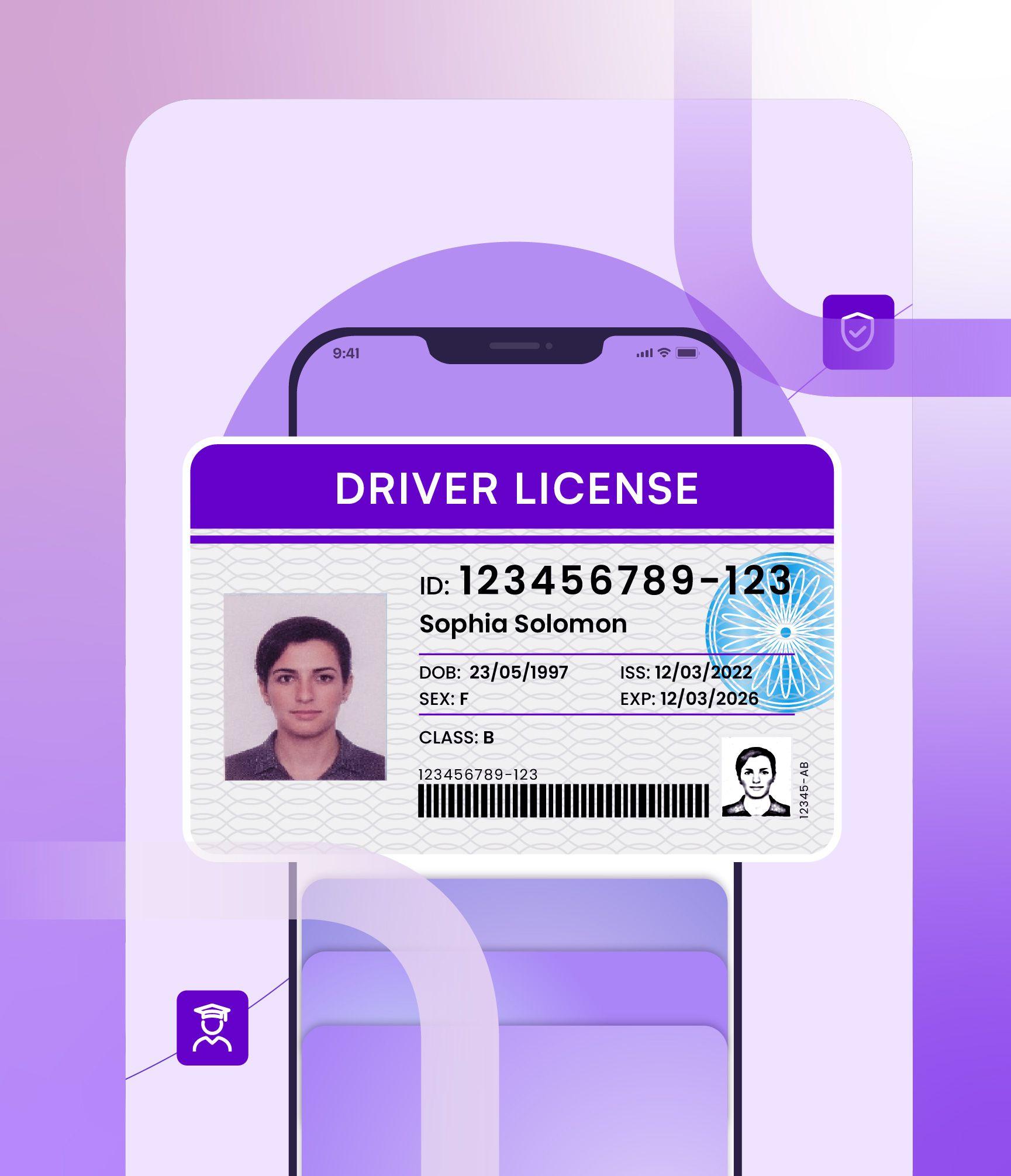
Recent updates in Saudi Arabia show how licensing rules are changing. Saudi authorities now allow visitors and residents from 48 approved countries to directly convert their existing foreign driving licenses into Saudi ones without taking a driving test. This change lets newcomers save time and money, making it easier for them to drive legally soon after arrival.
At the same time, all visitors and expats can drive in Saudi Arabia with a valid international or home country license for up to one year after arriving. After this period, or once someone becomes a resident, a Saudi-issued license is required.
These kinds of reforms reflect a broader trend across the GCC. Countries are updating rules to support economic growth, tourism, and expatriate lifestyles. But they also raise an important question for regulatory authorities: as driver mobility increases, can authorities maintain operational control while serving a more mobile population?
The Challenge of Scale
In the past, licensing systems in the region were largely national and stable. Most drivers stayed in one country for long periods, and data systems were built accordingly. Today’s reality looks very different.
Increased mobility brings several challenges:
Higher volumes of license applications across diverse nationalities
More conversions and renewals as expatriates settle or move between GCC states
Multiple pathways for new drivers, depending on the country of origin and residency status
New rules that change frequently to reflect economic and social priorities
All of this puts pressure on traditional licensing processes. Fragmented data, manual steps, and independent systems make it hard for authorities to keep full visibility and control. Without a unified view, operations can slow down, compliance gaps can emerge, and service quality can suffer.
Why Operational Control Matters
Operational control is more than a regulatory buzzword. It is central to road safety, public trust, and efficient service delivery.
Licensing authorities must ensure that every driver is qualified, every test is valid, and every record is accurate. This includes tracking conversions, renewals, medical checks, and test outcomes. When the volume of drivers rises, the ability to manage these processes smoothly becomes essential.
In addition, GCC countries are aligning to common goals such as workforce mobility, tourism growth, and digital transformation. To maintain these efforts, authorities need systems that can scale without creating risk.
Centralized Systems as a Solution
One of the strongest levers for maintaining control while adapting to rising mobility is centralized digital governance.
Centralized digital platforms give licensing authorities a single view of operations across regions and service channels. They eliminate data silos, automate manual tasks, and enable authorities to monitor performance in real-time. Instead of managing paper applications and isolated software, regulators can rely on unified systems that scale with demand.
This type of system supports better planning, smoother workflows, and stronger oversight. It creates a foundation for consistent policy enforcement, faster service delivery, and better outcomes for residents and visitors alike.
Pedal Mobility’s solutions are designed for exactly this moment.
Pedal Soft is a centralized driver education and licensing management platform built for government authorities. It helps regulators maintain operational control even as mobility increases across the GCC.
With Pedal Soft:
Authorities get real time visibility into training, exams and tests, and licensing workflows
Curriculum delivery and assessments remain consistent and standardized
Data from driving institutes, exam centers, and licensing departments is centralized and unified
Decision makers can act with confidence, based on reliable, up-to-date information
Pedal Soft is not just a digital tool. It is a governance platform that empowers authorities to manage scale, improve accountability, and deliver better experiences for learners and road users.
Keeping Pace with the Future
As the GCC continues to grow and attract people from around the world, driver mobility will remain a key part of daily life. Licensing systems must adapt, and authorities must have the tools to maintain control while delivering efficient services.
Operational control does not come from separate systems or manual processes. It comes from integrated platforms that simplify complexity, strengthen governance, and support growth.
With increasing driver mobility, the future of licensing belongs to centralized digital solutions like Pedal Soft, solutions that help authorities manage scale with clarity and confidence.
FAQs
Q: What changed in Saudi Arabia’s driving license rules?
A: Eligible expats from approved countries can now convert their foreign licenses without a driving test.
Q: How long can expats drive with a foreign license?
A: Up to one year after arrival. After that, a Saudi license is required.
Q: Why is this important for licensing authorities?
A: Higher mobility increases application volumes and operational complexity.
Q: How can authorities maintain control?
A: Through centralized digital systems that unify data and oversight.
Q: What is Pedal Soft?
A: Pedal Soft is Pedal Mobility’s centralized platform for managing driver education and licensing at scale.
You might also be interested
Transforming global driver training and licensing with AI-powered driver training software by connecting students, instructors, driving centres, and regulators in a seamless ecosystem.
Empowering all Stakeholders with Pedal Mobilitys Solutions.
Driving the Future With Results That Matter
Empowering students worldwide with innovative driver training software solutions tailored for modern learning.
Maximizing efficiency by smartly assigning vehicles and instructors, driven by our centralized driving school system.
Going fully digital with a paperless, user-friendly onboarding system powered by modern driving software.
Engaging students, instructors, and training admins every day through a connected, seamless, and intuitive driver training platform.
Introducing the New Era of AI in Personal Mobility
Pedal transforms driver education by integrating AI and automation into every step. Our centralized driving training software connects students, instructors, and regulators in a seamless, data-driven ecosystem built for modern mobility.
Insights and Stories shaping Driver Education
Maximizing efficiency by smartly assigning vehicles and instructors, driven by our centralized driving school system.
Going fully digital with a paperless, user-friendly onboarding system powered by modern driving software.
Engaging students, instructors, and training admins every day through a connected, seamless, and intuitive driver training platform.
Introducing the New Era of AI in Personal Mobility
Pedal transforms driver education by integrating AI and automation into every step. Our centralized driving training software connects students, instructors, and regulators in a seamless, data-driven ecosystem built for modern mobility.
Insights and Stories shaping Driver Education
Maximizing efficiency by smartly assigning vehicles and instructors, driven by our centralized driving school system.
Going fully digital with a paperless, user-friendly onboarding system powered by modern driving software.
Engaging students, instructors, and training admins every day through a connected, seamless, and intuitive driver training platform.
Introducing the New Era of AI in Personal Mobility
Pedal transforms driver education by integrating AI and automation into every step. Our centralized driving training software connects students, instructors, and regulators in a seamless, data-driven ecosystem built for modern mobility.
Insights and Stories shaping Driver Education
Maximizing efficiency by smartly assigning vehicles and instructors, driven by our centralized driving school system.
Going fully digital with a paperless, user-friendly onboarding system powered by modern driving software.
Engaging students, instructors, and training admins every day through a connected, seamless, and intuitive driver training platform.
Introducing the New Era of AI in Personal Mobility
Pedal transforms driver education by integrating AI and automation into every step. Our centralized driving training software connects students, instructors, and regulators in a seamless, data-driven ecosystem built for modern mobility.
Insights and Stories shaping Driver Education
Maximizing efficiency by smartly assigning vehicles and instructors, driven by our centralized driving school system.
Going fully digital with a paperless, user-friendly onboarding system powered by modern driving software.
Engaging students, instructors, and training admins every day through a connected, seamless, and intuitive driver training platform.
Introducing the New Era of AI in Personal Mobility
Pedal transforms driver education by integrating AI and automation into every step. Our centralized driving training software connects students, instructors, and regulators in a seamless, data-driven ecosystem built for modern mobility.
Insights and Stories shaping Driver Education
From instructor management to vehicle assignment, we are driving the future with results that matter.
Our platform connects students, instructors, and training admins every day through a connected, seamless, and intuitive driver training platform.
Introducing the New Era of AI in Personal Mobility
Transforming global driver training and licensing with AI-powered driver training software by connecting students, instructors, driving centres, and regulators in a seamless ecosystem.
Empowering all Stakeholders with Pedal Mobilitys Solutions.
Driving the Future With Results That Matter
Empowering students worldwide with innovative driver training software solutions tailored for modern learning.
Maximizing efficiency by smartly assigning vehicles and instructors, driven by our centralized driving school system.
Going fully digital with a paperless, user-friendly onboarding system powered by modern driving software.
Engaging students, instructors, and training admins every day through a connected, seamless, and intuitive driver training platform.
Introducing the New Era of AI in Personal Mobility
Pedal transforms driver education by integrating AI and automation into every step. Our centralized driving training software connects students, instructors, and regulators in a seamless, data-driven ecosystem built for modern mobility.
Insights and Stories shaping Driver Education
Maximizing efficiency by smartly assigning vehicles and instructors, driven by our centralized driving school system.
Going fully digital with a paperless, user-friendly onboarding system powered by modern driving software.
Engaging students, instructors, and training admins every day through a connected, seamless, and intuitive driver training platform.
Introducing the New Era of AI in Personal Mobility
Pedal transforms driver education by integrating AI and automation into every step. Our centralized driving training software connects students, instructors, and regulators in a seamless, data-driven ecosystem built for modern mobility.
Insights and Stories shaping Driver Education
Maximizing efficiency by smartly assigning vehicles and instructors, driven by our centralized driving school system.
Going fully digital with a paperless, user-friendly onboarding system powered by modern driving software.
Engaging students, instructors, and training admins every day through a connected, seamless, and intuitive driver training platform.
Introducing the New Era of AI in Personal Mobility
Pedal transforms driver education by integrating AI and automation into every step. Our centralized driving training software connects students, instructors, and regulators in a seamless, data-driven ecosystem built for modern mobility.
Insights and Stories shaping Driver Education
Maximizing efficiency by smartly assigning vehicles and instructors, driven by our centralized driving school system.
Going fully digital with a paperless, user-friendly onboarding system powered by modern driving software.
Engaging students, instructors, and training admins every day through a connected, seamless, and intuitive driver training platform.
Introducing the New Era of AI in Personal Mobility
Pedal transforms driver education by integrating AI and automation into every step. Our centralized driving training software connects students, instructors, and regulators in a seamless, data-driven ecosystem built for modern mobility.
Insights and Stories shaping Driver Education
Maximizing efficiency by smartly assigning vehicles and instructors, driven by our centralized driving school system.
Going fully digital with a paperless, user-friendly onboarding system powered by modern driving software.
Engaging students, instructors, and training admins every day through a connected, seamless, and intuitive driver training platform.
Introducing the New Era of AI in Personal Mobility
Pedal transforms driver education by integrating AI and automation into every step. Our centralized driving training software connects students, instructors, and regulators in a seamless, data-driven ecosystem built for modern mobility.
Insights and Stories shaping Driver Education
From instructor management to vehicle assignment, we are driving the future with results that matter.
Our platform connects students, instructors, and training admins every day through a connected, seamless, and intuitive driver training platform.
Introducing the New Era of AI in Personal Mobility Transforming global driver training and licensing with AI-powered driver training software by connecting students, instructors, driving centres, and regulators in a seamless ecosystem.
Empowering all Stakeholders with Pedal Mobilitys Solutions.
Driving the Future With Results That Matter
Empowering students worldwide with innovative driver training software solutions tailored for modern learning.
Maximizing efficiency by smartly assigning vehicles and instructors, driven by our centralized driving school system.
Going fully digital with a paperless, user-friendly onboarding system powered by modern driving software.
Engaging students, instructors, and training admins every day through a connected, seamless, and intuitive driver training platform.
Introducing the New Era of AI in Personal Mobility
Pedal transforms driver education by integrating AI and automation into every step. Our centralized driving training software connects students, instructors, and regulators in a seamless, data-driven ecosystem built for modern mobility.
Insights and Stories shaping Driver Education
Maximizing efficiency by smartly assigning vehicles and instructors, driven by our centralized driving school system.
Going fully digital with a paperless, user-friendly onboarding system powered by modern driving software.
Engaging students, instructors, and training admins every day through a connected, seamless, and intuitive driver training platform.
Introducing the New Era of AI in Personal Mobility
Pedal transforms driver education by integrating AI and automation into every step. Our centralized driving training software connects students, instructors, and regulators in a seamless, data-driven ecosystem built for modern mobility.
Insights and Stories shaping Driver Education
Maximizing efficiency by smartly assigning vehicles and instructors, driven by our centralized driving school system.
Going fully digital with a paperless, user-friendly onboarding system powered by modern driving software.
Engaging students, instructors, and training admins every day through a connected, seamless, and intuitive driver training platform.
Introducing the New Era of AI in Personal Mobility
Pedal transforms driver education by integrating AI and automation into every step. Our centralized driving training software connects students, instructors, and regulators in a seamless, data-driven ecosystem built for modern mobility.
Insights and Stories shaping Driver Education
Maximizing efficiency by smartly assigning vehicles and instructors, driven by our centralized driving school system.
Going fully digital with a paperless, user-friendly onboarding system powered by modern driving software.
Engaging students, instructors, and training admins every day through a connected, seamless, and intuitive driver training platform.
Introducing the New Era of AI in Personal Mobility
Pedal transforms driver education by integrating AI and automation into every step. Our centralized driving training software connects students, instructors, and regulators in a seamless, data-driven ecosystem built for modern mobility.
Insights and Stories shaping Driver Education
Maximizing efficiency by smartly assigning vehicles and instructors, driven by our centralized driving school system.
Going fully digital with a paperless, user-friendly onboarding system powered by modern driving software.
Engaging students, instructors, and training admins every day through a connected, seamless, and intuitive driver training platform.
Introducing the New Era of AI in Personal Mobility
Pedal transforms driver education by integrating AI and automation into every step. Our centralized driving training software connects students, instructors, and regulators in a seamless, data-driven ecosystem built for modern mobility.
Insights and Stories shaping Driver Education
From instructor management to vehicle assignment, we are driving the future with results that matter.
Our platform connects students, instructors, and training admins every day through a connected, seamless, and intuitive driver training platform.
Introducing the New Era of AI in Personal Mobility Transforming global driver training and licensing with AI-powered driver training software by connecting students, instructors, driving centres, and regulators in a seamless ecosystem.
Empowering all Stakeholders with Pedal Mobilitys Solutions.
Driving the Future With Results That Matter
Empowering students worldwide with innovative driver training software solutions tailored for modern learning.
Maximizing efficiency by smartly assigning vehicles and instructors, driven by our centralized driving school system.
Going fully digital with a paperless, user-friendly onboarding system powered by modern driving software.
Engaging students, instructors, and training admins every day through a connected, seamless, and intuitive driver training platform.
Introducing the New Era of AI in Personal Mobility
Pedal transforms driver education by integrating AI and automation into every step. Our centralized driving training software connects students, instructors, and regulators in a seamless, data-driven ecosystem built for modern mobility.
Insights and Stories shaping Driver Education
Maximizing efficiency by smartly assigning vehicles and instructors, driven by our centralized driving school system.
Going fully digital with a paperless, user-friendly onboarding system powered by modern driving software.
Engaging students, instructors, and training admins every day through a connected, seamless, and intuitive driver training platform.
Introducing the New Era of AI in Personal Mobility
Pedal transforms driver education by integrating AI and automation into every step. Our centralized driving training software connects students, instructors, and regulators in a seamless, data-driven ecosystem built for modern mobility.
Insights and Stories shaping Driver Education
Maximizing efficiency by smartly assigning vehicles and instructors, driven by our centralized driving school system.
Going fully digital with a paperless, user-friendly onboarding system powered by modern driving software.
Engaging students, instructors, and training admins every day through a connected, seamless, and intuitive driver training platform.
Introducing the New Era of AI in Personal Mobility
Pedal transforms driver education by integrating AI and automation into every step. Our centralized driving training software connects students, instructors, and regulators in a seamless, data-driven ecosystem built for modern mobility.
Insights and Stories shaping Driver Education
Maximizing efficiency by smartly assigning vehicles and instructors, driven by our centralized driving school system.
Going fully digital with a paperless, user-friendly onboarding system powered by modern driving software.
Engaging students, instructors, and training admins every day through a connected, seamless, and intuitive driver training platform.
Introducing the New Era of AI in Personal Mobility
Pedal transforms driver education by integrating AI and automation into every step. Our centralized driving training software connects students, instructors, and regulators in a seamless, data-driven ecosystem built for modern mobility.
Insights and Stories shaping Driver Education
Maximizing efficiency by smartly assigning vehicles and instructors, driven by our centralized driving school system.
Going fully digital with a paperless, user-friendly onboarding system powered by modern driving software.
Engaging students, instructors, and training admins every day through a connected, seamless, and intuitive driver training platform.
Introducing the New Era of AI in Personal Mobility
Pedal transforms driver education by integrating AI and automation into every step. Our centralized driving training software connects students, instructors, and regulators in a seamless, data-driven ecosystem built for modern mobility.
Insights and Stories shaping Driver Education
From instructor management to vehicle assignment, we are driving the future with results that matter.
Our platform connects students, instructors, and training admins every day through a connected, seamless, and intuitive driver training platform.
Introducing the New Era of AI in Personal Mobility Transforming global driver training and licensing with AI-powered driver training software by connecting students, instructors, driving centres, and regulators in a seamless ecosystem.
Empowering all Stakeholders with Pedal Mobilitys Solutions.
Driving the Future With Results That Matter
Empowering students worldwide with innovative driver training software solutions tailored for modern learning.
Maximizing efficiency by smartly assigning vehicles and instructors, driven by our centralized driving school system.
Going fully digital with a paperless, user-friendly onboarding system powered by modern driving software.
Engaging students, instructors, and training admins every day through a connected, seamless, and intuitive driver training platform.
Introducing the New Era of AI in Personal Mobility
Pedal transforms driver education by integrating AI and automation into every step. Our centralized driving training software connects students, instructors, and regulators in a seamless, data-driven ecosystem built for modern mobility.
Insights and Stories shaping Driver Education
Maximizing efficiency by smartly assigning vehicles and instructors, driven by our centralized driving school system.
Going fully digital with a paperless, user-friendly onboarding system powered by modern driving software.
Engaging students, instructors, and training admins every day through a connected, seamless, and intuitive driver training platform.
Introducing the New Era of AI in Personal Mobility
Pedal transforms driver education by integrating AI and automation into every step. Our centralized driving training software connects students, instructors, and regulators in a seamless, data-driven ecosystem built for modern mobility.
Insights and Stories shaping Driver Education
Maximizing efficiency by smartly assigning vehicles and instructors, driven by our centralized driving school system.
Going fully digital with a paperless, user-friendly onboarding system powered by modern driving software.
Engaging students, instructors, and training admins every day through a connected, seamless, and intuitive driver training platform.
Introducing the New Era of AI in Personal Mobility
Pedal transforms driver education by integrating AI and automation into every step. Our centralized driving training software connects students, instructors, and regulators in a seamless, data-driven ecosystem built for modern mobility.
Insights and Stories shaping Driver Education
Maximizing efficiency by smartly assigning vehicles and instructors, driven by our centralized driving school system.
Going fully digital with a paperless, user-friendly onboarding system powered by modern driving software.
Engaging students, instructors, and training admins every day through a connected, seamless, and intuitive driver training platform.
Introducing the New Era of AI in Personal Mobility
Pedal transforms driver education by integrating AI and automation into every step. Our centralized driving training software connects students, instructors, and regulators in a seamless, data-driven ecosystem built for modern mobility.
Insights and Stories shaping Driver Education
Maximizing efficiency by smartly assigning vehicles and instructors, driven by our centralized driving school system.
Going fully digital with a paperless, user-friendly onboarding system powered by modern driving software.
Engaging students, instructors, and training admins every day through a connected, seamless, and intuitive driver training platform.
Introducing the New Era of AI in Personal Mobility
Pedal transforms driver education by integrating AI and automation into every step. Our centralized driving training software connects students, instructors, and regulators in a seamless, data-driven ecosystem built for modern mobility.
Insights and Stories shaping Driver Education
From instructor management to vehicle assignment, we are driving the future with results that matter.
Our platform connects students, instructors, and training admins every day through a connected, seamless, and intuitive driver training platform.
Introducing the New Era of AI in Personal Mobility
Transforming global driver training and licensing with AI-powered driver training software by connecting students, instructors, driving centres, and regulators in a seamless ecosystem.
Empowering all Stakeholders with Pedal Mobilitys Solutions.
Driving the Future With Results That Matter
Empowering students worldwide with innovative driver training software solutions tailored for modern learning.
Maximizing efficiency by smartly assigning vehicles and instructors, driven by our centralized driving school system.
Going fully digital with a paperless, user-friendly onboarding system powered by modern driving software.
Engaging students, instructors, and training admins every day through a connected, seamless, and intuitive driver training platform.
Introducing the New Era of AI in Personal Mobility
Pedal transforms driver education by integrating AI and automation into every step. Our centralized driving training software connects students, instructors, and regulators in a seamless, data-driven ecosystem built for modern mobility.
Insights and Stories shaping Driver Education
Maximizing efficiency by smartly assigning vehicles and instructors, driven by our centralized driving school system.
Going fully digital with a paperless, user-friendly onboarding system powered by modern driving software.
Engaging students, instructors, and training admins every day through a connected, seamless, and intuitive driver training platform.
Introducing the New Era of AI in Personal Mobility
Pedal transforms driver education by integrating AI and automation into every step. Our centralized driving training software connects students, instructors, and regulators in a seamless, data-driven ecosystem built for modern mobility.
Insights and Stories shaping Driver Education
Maximizing efficiency by smartly assigning vehicles and instructors, driven by our centralized driving school system.
Going fully digital with a paperless, user-friendly onboarding system powered by modern driving software.
Engaging students, instructors, and training admins every day through a connected, seamless, and intuitive driver training platform.
Introducing the New Era of AI in Personal Mobility
Pedal transforms driver education by integrating AI and automation into every step. Our centralized driving training software connects students, instructors, and regulators in a seamless, data-driven ecosystem built for modern mobility.
Insights and Stories shaping Driver Education
Maximizing efficiency by smartly assigning vehicles and instructors, driven by our centralized driving school system.
Going fully digital with a paperless, user-friendly onboarding system powered by modern driving software.
Engaging students, instructors, and training admins every day through a connected, seamless, and intuitive driver training platform.
Introducing the New Era of AI in Personal Mobility
Pedal transforms driver education by integrating AI and automation into every step. Our centralized driving training software connects students, instructors, and regulators in a seamless, data-driven ecosystem built for modern mobility.
Insights and Stories shaping Driver Education
Maximizing efficiency by smartly assigning vehicles and instructors, driven by our centralized driving school system.
Going fully digital with a paperless, user-friendly onboarding system powered by modern driving software.
Engaging students, instructors, and training admins every day through a connected, seamless, and intuitive driver training platform.
Introducing the New Era of AI in Personal Mobility
Pedal transforms driver education by integrating AI and automation into every step. Our centralized driving training software connects students, instructors, and regulators in a seamless, data-driven ecosystem built for modern mobility.
Insights and Stories shaping Driver Education
From instructor management to vehicle assignment, we are driving the future with results that matter.
Our platform connects students, instructors, and training admins every day through a connected, seamless, and intuitive driver training platform.
Introducing the New Era of AI in Personal Mobility
Transforming global driver training and licensing with AI-powered driver training software by connecting students, instructors, driving centres, and regulators in a seamless ecosystem.
Empowering all Stakeholders with Pedal Mobilitys Solutions.
Driving the Future With Results That Matter
Empowering students worldwide with innovative driver training software solutions tailored for modern learning.
Maximizing efficiency by smartly assigning vehicles and instructors, driven by our centralized driving school system.
Going fully digital with a paperless, user-friendly onboarding system powered by modern driving software.
Engaging students, instructors, and training admins every day through a connected, seamless, and intuitive driver training platform.
Introducing the New Era of AI in Personal Mobility
Pedal transforms driver education by integrating AI and automation into every step. Our centralized driving training software connects students, instructors, and regulators in a seamless, data-driven ecosystem built for modern mobility.
Insights and Stories shaping Driver Education
Maximizing efficiency by smartly assigning vehicles and instructors, driven by our centralized driving school system.
Going fully digital with a paperless, user-friendly onboarding system powered by modern driving software.
Engaging students, instructors, and training admins every day through a connected, seamless, and intuitive driver training platform.
Introducing the New Era of AI in Personal Mobility
Pedal transforms driver education by integrating AI and automation into every step. Our centralized driving training software connects students, instructors, and regulators in a seamless, data-driven ecosystem built for modern mobility.
Insights and Stories shaping Driver Education
Maximizing efficiency by smartly assigning vehicles and instructors, driven by our centralized driving school system.
Going fully digital with a paperless, user-friendly onboarding system powered by modern driving software.
Engaging students, instructors, and training admins every day through a connected, seamless, and intuitive driver training platform.
Introducing the New Era of AI in Personal Mobility
Pedal transforms driver education by integrating AI and automation into every step. Our centralized driving training software connects students, instructors, and regulators in a seamless, data-driven ecosystem built for modern mobility.
Insights and Stories shaping Driver Education
Maximizing efficiency by smartly assigning vehicles and instructors, driven by our centralized driving school system.
Going fully digital with a paperless, user-friendly onboarding system powered by modern driving software.
Engaging students, instructors, and training admins every day through a connected, seamless, and intuitive driver training platform.
Introducing the New Era of AI in Personal Mobility
Pedal transforms driver education by integrating AI and automation into every step. Our centralized driving training software connects students, instructors, and regulators in a seamless, data-driven ecosystem built for modern mobility.
Insights and Stories shaping Driver Education
Maximizing efficiency by smartly assigning vehicles and instructors, driven by our centralized driving school system.
Going fully digital with a paperless, user-friendly onboarding system powered by modern driving software.
Engaging students, instructors, and training admins every day through a connected, seamless, and intuitive driver training platform.
Introducing the New Era of AI in Personal Mobility
Pedal transforms driver education by integrating AI and automation into every step. Our centralized driving training software connects students, instructors, and regulators in a seamless, data-driven ecosystem built for modern mobility.
Insights and Stories shaping Driver Education
From instructor management to vehicle assignment, we are driving the future with results that matter.
Our platform connects students, instructors, and training admins every day through a connected, seamless, and intuitive driver training platform.
Introducing the New Era of AI in Personal Mobility Transforming global driver training and licensing with AI-powered driver training software by connecting students, instructors, driving centres, and regulators in a seamless ecosystem.
Empowering all Stakeholders with Pedal Mobilitys Solutions.
Driving the Future With Results That Matter
Empowering students worldwide with innovative driver training software solutions tailored for modern learning.
Maximizing efficiency by smartly assigning vehicles and instructors, driven by our centralized driving school system.
Going fully digital with a paperless, user-friendly onboarding system powered by modern driving software.
Engaging students, instructors, and training admins every day through a connected, seamless, and intuitive driver training platform.
Introducing the New Era of AI in Personal Mobility
Pedal transforms driver education by integrating AI and automation into every step. Our centralized driving training software connects students, instructors, and regulators in a seamless, data-driven ecosystem built for modern mobility.
Insights and Stories shaping Driver Education
Maximizing efficiency by smartly assigning vehicles and instructors, driven by our centralized driving school system.
Going fully digital with a paperless, user-friendly onboarding system powered by modern driving software.
Engaging students, instructors, and training admins every day through a connected, seamless, and intuitive driver training platform.
Introducing the New Era of AI in Personal Mobility
Pedal transforms driver education by integrating AI and automation into every step. Our centralized driving training software connects students, instructors, and regulators in a seamless, data-driven ecosystem built for modern mobility.
Insights and Stories shaping Driver Education
Maximizing efficiency by smartly assigning vehicles and instructors, driven by our centralized driving school system.
Going fully digital with a paperless, user-friendly onboarding system powered by modern driving software.
Engaging students, instructors, and training admins every day through a connected, seamless, and intuitive driver training platform.
Introducing the New Era of AI in Personal Mobility
Pedal transforms driver education by integrating AI and automation into every step. Our centralized driving training software connects students, instructors, and regulators in a seamless, data-driven ecosystem built for modern mobility.
Insights and Stories shaping Driver Education
Maximizing efficiency by smartly assigning vehicles and instructors, driven by our centralized driving school system.
Going fully digital with a paperless, user-friendly onboarding system powered by modern driving software.
Engaging students, instructors, and training admins every day through a connected, seamless, and intuitive driver training platform.
Introducing the New Era of AI in Personal Mobility
Pedal transforms driver education by integrating AI and automation into every step. Our centralized driving training software connects students, instructors, and regulators in a seamless, data-driven ecosystem built for modern mobility.
Insights and Stories shaping Driver Education
Maximizing efficiency by smartly assigning vehicles and instructors, driven by our centralized driving school system.
Going fully digital with a paperless, user-friendly onboarding system powered by modern driving software.
Engaging students, instructors, and training admins every day through a connected, seamless, and intuitive driver training platform.
Introducing the New Era of AI in Personal Mobility
Pedal transforms driver education by integrating AI and automation into every step. Our centralized driving training software connects students, instructors, and regulators in a seamless, data-driven ecosystem built for modern mobility.
Insights and Stories shaping Driver Education
From instructor management to vehicle assignment, we are driving the future with results that matter.
Our platform connects students, instructors, and training admins every day through a connected, seamless, and intuitive driver training platform.
Introducing the New Era of AI in Personal Mobility Transforming global driver training and licensing with AI-powered driver training software by connecting students, instructors, driving centres, and regulators in a seamless ecosystem.
Empowering all Stakeholders with Pedal Mobilitys Solutions.
Driving the Future With Results That Matter
Empowering students worldwide with innovative driver training software solutions tailored for modern learning.
Maximizing efficiency by smartly assigning vehicles and instructors, driven by our centralized driving school system.
Going fully digital with a paperless, user-friendly onboarding system powered by modern driving software.
Engaging students, instructors, and training admins every day through a connected, seamless, and intuitive driver training platform.
Introducing the New Era of AI in Personal Mobility
Pedal transforms driver education by integrating AI and automation into every step. Our centralized driving training software connects students, instructors, and regulators in a seamless, data-driven ecosystem built for modern mobility.
Insights and Stories shaping Driver Education
Maximizing efficiency by smartly assigning vehicles and instructors, driven by our centralized driving school system.
Going fully digital with a paperless, user-friendly onboarding system powered by modern driving software.
Engaging students, instructors, and training admins every day through a connected, seamless, and intuitive driver training platform.
Introducing the New Era of AI in Personal Mobility
Pedal transforms driver education by integrating AI and automation into every step. Our centralized driving training software connects students, instructors, and regulators in a seamless, data-driven ecosystem built for modern mobility.
Insights and Stories shaping Driver Education
Maximizing efficiency by smartly assigning vehicles and instructors, driven by our centralized driving school system.
Going fully digital with a paperless, user-friendly onboarding system powered by modern driving software.
Engaging students, instructors, and training admins every day through a connected, seamless, and intuitive driver training platform.
Introducing the New Era of AI in Personal Mobility
Pedal transforms driver education by integrating AI and automation into every step. Our centralized driving training software connects students, instructors, and regulators in a seamless, data-driven ecosystem built for modern mobility.
Insights and Stories shaping Driver Education
Maximizing efficiency by smartly assigning vehicles and instructors, driven by our centralized driving school system.
Going fully digital with a paperless, user-friendly onboarding system powered by modern driving software.
Engaging students, instructors, and training admins every day through a connected, seamless, and intuitive driver training platform.
Introducing the New Era of AI in Personal Mobility
Pedal transforms driver education by integrating AI and automation into every step. Our centralized driving training software connects students, instructors, and regulators in a seamless, data-driven ecosystem built for modern mobility.
Insights and Stories shaping Driver Education
Maximizing efficiency by smartly assigning vehicles and instructors, driven by our centralized driving school system.
Going fully digital with a paperless, user-friendly onboarding system powered by modern driving software.
Engaging students, instructors, and training admins every day through a connected, seamless, and intuitive driver training platform.
Introducing the New Era of AI in Personal Mobility
Pedal transforms driver education by integrating AI and automation into every step. Our centralized driving training software connects students, instructors, and regulators in a seamless, data-driven ecosystem built for modern mobility.
Insights and Stories shaping Driver Education
From instructor management to vehicle assignment, we are driving the future with results that matter.
Our platform connects students, instructors, and training admins every day through a connected, seamless, and intuitive driver training platform.
Introducing the New Era of AI in Personal Mobility Transforming global driver training and licensing with AI-powered driver training software by connecting students, instructors, driving centres, and regulators in a seamless ecosystem.
Empowering all Stakeholders with Pedal Mobilitys Solutions.
Driving the Future With Results That Matter
Empowering students worldwide with innovative driver training software solutions tailored for modern learning.
Maximizing efficiency by smartly assigning vehicles and instructors, driven by our centralized driving school system.
Going fully digital with a paperless, user-friendly onboarding system powered by modern driving software.
Engaging students, instructors, and training admins every day through a connected, seamless, and intuitive driver training platform.
Introducing the New Era of AI in Personal Mobility
Pedal transforms driver education by integrating AI and automation into every step. Our centralized driving training software connects students, instructors, and regulators in a seamless, data-driven ecosystem built for modern mobility.
Insights and Stories shaping Driver Education
Maximizing efficiency by smartly assigning vehicles and instructors, driven by our centralized driving school system.
Going fully digital with a paperless, user-friendly onboarding system powered by modern driving software.
Engaging students, instructors, and training admins every day through a connected, seamless, and intuitive driver training platform.
Introducing the New Era of AI in Personal Mobility
Pedal transforms driver education by integrating AI and automation into every step. Our centralized driving training software connects students, instructors, and regulators in a seamless, data-driven ecosystem built for modern mobility.
Insights and Stories shaping Driver Education
Maximizing efficiency by smartly assigning vehicles and instructors, driven by our centralized driving school system.
Going fully digital with a paperless, user-friendly onboarding system powered by modern driving software.
Engaging students, instructors, and training admins every day through a connected, seamless, and intuitive driver training platform.
Introducing the New Era of AI in Personal Mobility
Pedal transforms driver education by integrating AI and automation into every step. Our centralized driving training software connects students, instructors, and regulators in a seamless, data-driven ecosystem built for modern mobility.
Insights and Stories shaping Driver Education
Maximizing efficiency by smartly assigning vehicles and instructors, driven by our centralized driving school system.
Going fully digital with a paperless, user-friendly onboarding system powered by modern driving software.
Engaging students, instructors, and training admins every day through a connected, seamless, and intuitive driver training platform.
Introducing the New Era of AI in Personal Mobility
Pedal transforms driver education by integrating AI and automation into every step. Our centralized driving training software connects students, instructors, and regulators in a seamless, data-driven ecosystem built for modern mobility.
Insights and Stories shaping Driver Education
Maximizing efficiency by smartly assigning vehicles and instructors, driven by our centralized driving school system.
Going fully digital with a paperless, user-friendly onboarding system powered by modern driving software.
Engaging students, instructors, and training admins every day through a connected, seamless, and intuitive driver training platform.
Introducing the New Era of AI in Personal Mobility
Pedal transforms driver education by integrating AI and automation into every step. Our centralized driving training software connects students, instructors, and regulators in a seamless, data-driven ecosystem built for modern mobility.
Insights and Stories shaping Driver Education
From instructor management to vehicle assignment, we are driving the future with results that matter.
Our platform connects students, instructors, and training admins every day through a connected, seamless, and intuitive driver training platform.
Introducing the New Era of AI in Personal Mobility
Transforming global driver training and licensing with AI-powered driver training software by connecting students, instructors, driving centres, and regulators in a seamless ecosystem.
Empowering all Stakeholders with Pedal Mobilitys Solutions.
Driving the Future With Results That Matter
Empowering students worldwide with innovative driver training software solutions tailored for modern learning.
Maximizing efficiency by smartly assigning vehicles and instructors, driven by our centralized driving school system.
Going fully digital with a paperless, user-friendly onboarding system powered by modern driving software.
Engaging students, instructors, and training admins every day through a connected, seamless, and intuitive driver training platform.
Introducing the New Era of AI in Personal Mobility
Pedal transforms driver education by integrating AI and automation into every step. Our centralized driving training software connects students, instructors, and regulators in a seamless, data-driven ecosystem built for modern mobility.
Insights and Stories shaping Driver Education
Maximizing efficiency by smartly assigning vehicles and instructors, driven by our centralized driving school system.
Going fully digital with a paperless, user-friendly onboarding system powered by modern driving software.
Engaging students, instructors, and training admins every day through a connected, seamless, and intuitive driver training platform.
Introducing the New Era of AI in Personal Mobility
Pedal transforms driver education by integrating AI and automation into every step. Our centralized driving training software connects students, instructors, and regulators in a seamless, data-driven ecosystem built for modern mobility.
Insights and Stories shaping Driver Education
Maximizing efficiency by smartly assigning vehicles and instructors, driven by our centralized driving school system.
Going fully digital with a paperless, user-friendly onboarding system powered by modern driving software.
Engaging students, instructors, and training admins every day through a connected, seamless, and intuitive driver training platform.
Introducing the New Era of AI in Personal Mobility
Pedal transforms driver education by integrating AI and automation into every step. Our centralized driving training software connects students, instructors, and regulators in a seamless, data-driven ecosystem built for modern mobility.
Insights and Stories shaping Driver Education
Maximizing efficiency by smartly assigning vehicles and instructors, driven by our centralized driving school system.
Going fully digital with a paperless, user-friendly onboarding system powered by modern driving software.
Engaging students, instructors, and training admins every day through a connected, seamless, and intuitive driver training platform.
Introducing the New Era of AI in Personal Mobility
Pedal transforms driver education by integrating AI and automation into every step. Our centralized driving training software connects students, instructors, and regulators in a seamless, data-driven ecosystem built for modern mobility.
Insights and Stories shaping Driver Education
Maximizing efficiency by smartly assigning vehicles and instructors, driven by our centralized driving school system.
Going fully digital with a paperless, user-friendly onboarding system powered by modern driving software.
Engaging students, instructors, and training admins every day through a connected, seamless, and intuitive driver training platform.
Introducing the New Era of AI in Personal Mobility
Pedal transforms driver education by integrating AI and automation into every step. Our centralized driving training software connects students, instructors, and regulators in a seamless, data-driven ecosystem built for modern mobility.
Insights and Stories shaping Driver Education
From instructor management to vehicle assignment, we are driving the future with results that matter.
Our platform connects students, instructors, and training admins every day through a connected, seamless, and intuitive driver training platform.
Introducing the New Era of AI in Personal Mobility
Transforming global driver training and licensing with AI-powered driver training software by connecting students, instructors, driving centres, and regulators in a seamless ecosystem.
Empowering all Stakeholders with Pedal Mobilitys Solutions.
Driving the Future With Results That Matter
Empowering students worldwide with innovative driver training software solutions tailored for modern learning.
Maximizing efficiency by smartly assigning vehicles and instructors, driven by our centralized driving school system.
Going fully digital with a paperless, user-friendly onboarding system powered by modern driving software.
Engaging students, instructors, and training admins every day through a connected, seamless, and intuitive driver training platform.
Introducing the New Era of AI in Personal Mobility
Pedal transforms driver education by integrating AI and automation into every step. Our centralized driving training software connects students, instructors, and regulators in a seamless, data-driven ecosystem built for modern mobility.
Insights and Stories shaping Driver Education
Maximizing efficiency by smartly assigning vehicles and instructors, driven by our centralized driving school system.
Going fully digital with a paperless, user-friendly onboarding system powered by modern driving software.
Engaging students, instructors, and training admins every day through a connected, seamless, and intuitive driver training platform.
Introducing the New Era of AI in Personal Mobility
Pedal transforms driver education by integrating AI and automation into every step. Our centralized driving training software connects students, instructors, and regulators in a seamless, data-driven ecosystem built for modern mobility.
Insights and Stories shaping Driver Education
Maximizing efficiency by smartly assigning vehicles and instructors, driven by our centralized driving school system.
Going fully digital with a paperless, user-friendly onboarding system powered by modern driving software.
Engaging students, instructors, and training admins every day through a connected, seamless, and intuitive driver training platform.
Introducing the New Era of AI in Personal Mobility
Pedal transforms driver education by integrating AI and automation into every step. Our centralized driving training software connects students, instructors, and regulators in a seamless, data-driven ecosystem built for modern mobility.
Insights and Stories shaping Driver Education
Maximizing efficiency by smartly assigning vehicles and instructors, driven by our centralized driving school system.
Going fully digital with a paperless, user-friendly onboarding system powered by modern driving software.
Engaging students, instructors, and training admins every day through a connected, seamless, and intuitive driver training platform.
Introducing the New Era of AI in Personal Mobility
Pedal transforms driver education by integrating AI and automation into every step. Our centralized driving training software connects students, instructors, and regulators in a seamless, data-driven ecosystem built for modern mobility.
Insights and Stories shaping Driver Education
Maximizing efficiency by smartly assigning vehicles and instructors, driven by our centralized driving school system.
Going fully digital with a paperless, user-friendly onboarding system powered by modern driving software.
Engaging students, instructors, and training admins every day through a connected, seamless, and intuitive driver training platform.
Introducing the New Era of AI in Personal Mobility
Pedal transforms driver education by integrating AI and automation into every step. Our centralized driving training software connects students, instructors, and regulators in a seamless, data-driven ecosystem built for modern mobility.
Insights and Stories shaping Driver Education
From instructor management to vehicle assignment, we are driving the future with results that matter.
Our platform connects students, instructors, and training admins every day through a connected, seamless, and intuitive driver training platform.
Introducing the New Era of AI in Personal Mobility Transforming global driver training and licensing with AI-powered driver training software by connecting students, instructors, driving centres, and regulators in a seamless ecosystem.
Empowering all Stakeholders with Pedal Mobilitys Solutions.
Driving the Future With Results That Matter
Empowering students worldwide with innovative driver training software solutions tailored for modern learning.
Maximizing efficiency by smartly assigning vehicles and instructors, driven by our centralized driving school system.
Going fully digital with a paperless, user-friendly onboarding system powered by modern driving software.
Engaging students, instructors, and training admins every day through a connected, seamless, and intuitive driver training platform.
Introducing the New Era of AI in Personal Mobility
Pedal transforms driver education by integrating AI and automation into every step. Our centralized driving training software connects students, instructors, and regulators in a seamless, data-driven ecosystem built for modern mobility.
Insights and Stories shaping Driver Education
Maximizing efficiency by smartly assigning vehicles and instructors, driven by our centralized driving school system.
Going fully digital with a paperless, user-friendly onboarding system powered by modern driving software.
Engaging students, instructors, and training admins every day through a connected, seamless, and intuitive driver training platform.
Introducing the New Era of AI in Personal Mobility
Pedal transforms driver education by integrating AI and automation into every step. Our centralized driving training software connects students, instructors, and regulators in a seamless, data-driven ecosystem built for modern mobility.
Insights and Stories shaping Driver Education
Maximizing efficiency by smartly assigning vehicles and instructors, driven by our centralized driving school system.
Going fully digital with a paperless, user-friendly onboarding system powered by modern driving software.
Engaging students, instructors, and training admins every day through a connected, seamless, and intuitive driver training platform.
Introducing the New Era of AI in Personal Mobility
Pedal transforms driver education by integrating AI and automation into every step. Our centralized driving training software connects students, instructors, and regulators in a seamless, data-driven ecosystem built for modern mobility.
Insights and Stories shaping Driver Education
Maximizing efficiency by smartly assigning vehicles and instructors, driven by our centralized driving school system.
Going fully digital with a paperless, user-friendly onboarding system powered by modern driving software.
Engaging students, instructors, and training admins every day through a connected, seamless, and intuitive driver training platform.
Introducing the New Era of AI in Personal Mobility
Pedal transforms driver education by integrating AI and automation into every step. Our centralized driving training software connects students, instructors, and regulators in a seamless, data-driven ecosystem built for modern mobility.
Insights and Stories shaping Driver Education
Maximizing efficiency by smartly assigning vehicles and instructors, driven by our centralized driving school system.
Going fully digital with a paperless, user-friendly onboarding system powered by modern driving software.
Engaging students, instructors, and training admins every day through a connected, seamless, and intuitive driver training platform.
Introducing the New Era of AI in Personal Mobility
Pedal transforms driver education by integrating AI and automation into every step. Our centralized driving training software connects students, instructors, and regulators in a seamless, data-driven ecosystem built for modern mobility.
Insights and Stories shaping Driver Education
From instructor management to vehicle assignment, we are driving the future with results that matter.
Our platform connects students, instructors, and training admins every day through a connected, seamless, and intuitive driver training platform.
Introducing the New Era of AI in Personal Mobility Transforming global driver training and licensing with AI-powered driver training software by connecting students, instructors, driving centres, and regulators in a seamless ecosystem.
Empowering all Stakeholders with Pedal Mobilitys Solutions.
Driving the Future With Results That Matter
Empowering students worldwide with innovative driver training software solutions tailored for modern learning.
Maximizing efficiency by smartly assigning vehicles and instructors, driven by our centralized driving school system.
Going fully digital with a paperless, user-friendly onboarding system powered by modern driving software.
Engaging students, instructors, and training admins every day through a connected, seamless, and intuitive driver training platform.
Introducing the New Era of AI in Personal Mobility
Pedal transforms driver education by integrating AI and automation into every step. Our centralized driving training software connects students, instructors, and regulators in a seamless, data-driven ecosystem built for modern mobility.
Insights and Stories shaping Driver Education
Maximizing efficiency by smartly assigning vehicles and instructors, driven by our centralized driving school system.
Going fully digital with a paperless, user-friendly onboarding system powered by modern driving software.
Engaging students, instructors, and training admins every day through a connected, seamless, and intuitive driver training platform.
Introducing the New Era of AI in Personal Mobility
Pedal transforms driver education by integrating AI and automation into every step. Our centralized driving training software connects students, instructors, and regulators in a seamless, data-driven ecosystem built for modern mobility.
Insights and Stories shaping Driver Education
Maximizing efficiency by smartly assigning vehicles and instructors, driven by our centralized driving school system.
Going fully digital with a paperless, user-friendly onboarding system powered by modern driving software.
Engaging students, instructors, and training admins every day through a connected, seamless, and intuitive driver training platform.
Introducing the New Era of AI in Personal Mobility
Pedal transforms driver education by integrating AI and automation into every step. Our centralized driving training software connects students, instructors, and regulators in a seamless, data-driven ecosystem built for modern mobility.
Insights and Stories shaping Driver Education
Maximizing efficiency by smartly assigning vehicles and instructors, driven by our centralized driving school system.
Going fully digital with a paperless, user-friendly onboarding system powered by modern driving software.
Engaging students, instructors, and training admins every day through a connected, seamless, and intuitive driver training platform.
Introducing the New Era of AI in Personal Mobility
Pedal transforms driver education by integrating AI and automation into every step. Our centralized driving training software connects students, instructors, and regulators in a seamless, data-driven ecosystem built for modern mobility.
Insights and Stories shaping Driver Education
Maximizing efficiency by smartly assigning vehicles and instructors, driven by our centralized driving school system.
Going fully digital with a paperless, user-friendly onboarding system powered by modern driving software.
Engaging students, instructors, and training admins every day through a connected, seamless, and intuitive driver training platform.
Introducing the New Era of AI in Personal Mobility
Pedal transforms driver education by integrating AI and automation into every step. Our centralized driving training software connects students, instructors, and regulators in a seamless, data-driven ecosystem built for modern mobility.
Insights and Stories shaping Driver Education
From instructor management to vehicle assignment, we are driving the future with results that matter.
Our platform connects students, instructors, and training admins every day through a connected, seamless, and intuitive driver training platform.
Introducing the New Era of AI in Personal Mobility Transforming global driver training and licensing with AI-powered driver training software by connecting students, instructors, driving centres, and regulators in a seamless ecosystem.
Empowering all Stakeholders with Pedal Mobilitys Solutions.
Driving the Future With Results That Matter
Empowering students worldwide with innovative driver training software solutions tailored for modern learning.
Maximizing efficiency by smartly assigning vehicles and instructors, driven by our centralized driving school system.
Going fully digital with a paperless, user-friendly onboarding system powered by modern driving software.
Engaging students, instructors, and training admins every day through a connected, seamless, and intuitive driver training platform.
Introducing the New Era of AI in Personal Mobility
Pedal transforms driver education by integrating AI and automation into every step. Our centralized driving training software connects students, instructors, and regulators in a seamless, data-driven ecosystem built for modern mobility.
Insights and Stories shaping Driver Education
Maximizing efficiency by smartly assigning vehicles and instructors, driven by our centralized driving school system.
Going fully digital with a paperless, user-friendly onboarding system powered by modern driving software.
Engaging students, instructors, and training admins every day through a connected, seamless, and intuitive driver training platform.
Introducing the New Era of AI in Personal Mobility
Pedal transforms driver education by integrating AI and automation into every step. Our centralized driving training software connects students, instructors, and regulators in a seamless, data-driven ecosystem built for modern mobility.
Insights and Stories shaping Driver Education
Maximizing efficiency by smartly assigning vehicles and instructors, driven by our centralized driving school system.
Going fully digital with a paperless, user-friendly onboarding system powered by modern driving software.
Engaging students, instructors, and training admins every day through a connected, seamless, and intuitive driver training platform.
Introducing the New Era of AI in Personal Mobility
Pedal transforms driver education by integrating AI and automation into every step. Our centralized driving training software connects students, instructors, and regulators in a seamless, data-driven ecosystem built for modern mobility.
Insights and Stories shaping Driver Education
Maximizing efficiency by smartly assigning vehicles and instructors, driven by our centralized driving school system.
Going fully digital with a paperless, user-friendly onboarding system powered by modern driving software.
Engaging students, instructors, and training admins every day through a connected, seamless, and intuitive driver training platform.
Introducing the New Era of AI in Personal Mobility
Pedal transforms driver education by integrating AI and automation into every step. Our centralized driving training software connects students, instructors, and regulators in a seamless, data-driven ecosystem built for modern mobility.
Insights and Stories shaping Driver Education
Maximizing efficiency by smartly assigning vehicles and instructors, driven by our centralized driving school system.
Going fully digital with a paperless, user-friendly onboarding system powered by modern driving software.
Engaging students, instructors, and training admins every day through a connected, seamless, and intuitive driver training platform.
Introducing the New Era of AI in Personal Mobility
Pedal transforms driver education by integrating AI and automation into every step. Our centralized driving training software connects students, instructors, and regulators in a seamless, data-driven ecosystem built for modern mobility.
Insights and Stories shaping Driver Education
From instructor management to vehicle assignment, we are driving the future with results that matter.
Our platform connects students, instructors, and training admins every day through a connected, seamless, and intuitive driver training platform.
Introducing the New Era of AI in Personal Mobility